

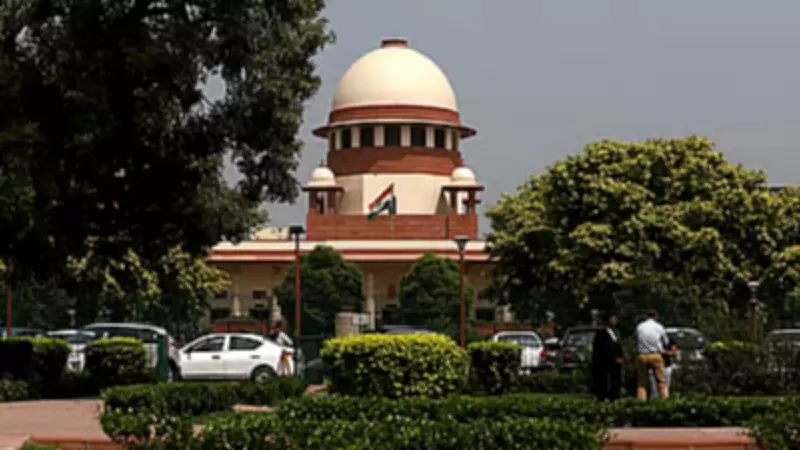
Supreme Court's Conversion Ruling Faces Backlash for Overlooking Ground Realities
The Supreme Court of India has recently delivered a judgment on religious conversion that has ignited widespread discussion and criticism. Legal experts and social activists argue that the ruling fails to account for the nuanced and often harsh lived experiences of individuals who choose to convert.
Core of the Controversy
At the heart of the matter is the court's interpretation of conversion laws, which some say adopts a narrow legalistic approach. Critics contend that this perspective ignores the socio-economic, cultural, and personal factors that drive people to change their religion. They emphasize that conversion is not merely a legal transaction but a deeply personal journey influenced by factors such as discrimination, poverty, and spiritual seeking.
Proponents of a more empathetic view highlight that many converts, particularly from marginalized communities, face systemic oppression in their original faiths. For them, conversion can be a path to dignity, equality, and social mobility. The ruling, by focusing on procedural aspects, risks undermining these transformative aspects of religious freedom.

Legal and Social Implications
The judgment has raised concerns about its potential impact on India's pluralistic society. Legal scholars warn that an overly rigid stance could stifle individual autonomy and exacerbate social tensions. They point out that the Constitution guarantees freedom of religion, which includes the right to propagate and convert, subject to reasonable restrictions.
However, the court's emphasis on maintaining public order and preventing forced conversions has led to a balancing act that some find skewed. Social activists argue that by prioritizing abstract legal principles over human stories, the ruling may inadvertently reinforce existing power structures and hinder social justice efforts.
Voices from the Ground
Interviews and reports from various regions reveal that for many individuals, conversion is a response to lived realities of exclusion and violence. Cases have been documented where people convert to escape caste-based discrimination or to access better opportunities within a different religious community. These narratives underscore the complexity of conversion, which cannot be fully captured by legal doctrines alone.
Critics of the ruling urge the judiciary to adopt a more holistic approach that considers empirical evidence and grassroots experiences. They suggest that future judgments should incorporate sociological insights to ensure that legal decisions align with the dynamic realities of Indian society.
Looking Ahead
The debate surrounding this ruling is likely to continue, with implications for both legal practice and social harmony. As India navigates its diverse religious landscape, there is a growing call for policies and judgments that are sensitive to the lived realities of its citizens. This case highlights the ongoing tension between legal formalism and social empathy in the realm of religious freedom.






