

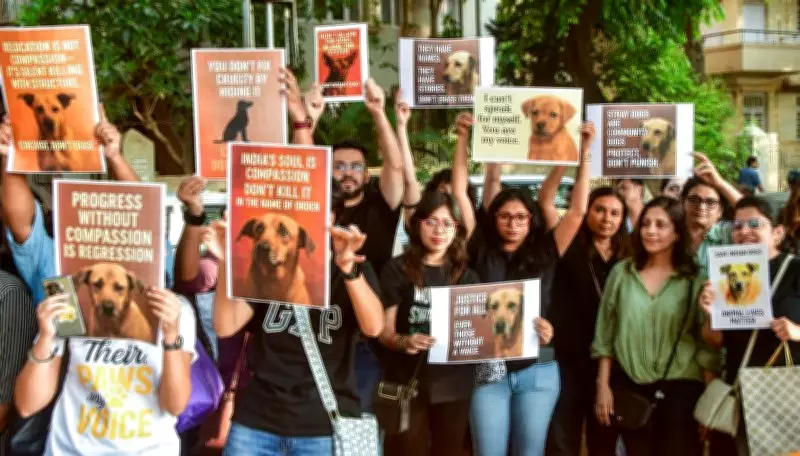
The Supreme Court of India has stepped in to address the growing menace of stray dogs, issuing a series of directives aimed at balancing public safety with animal welfare. The court emphasized that while the protection of animals is a constitutional duty, the safety of citizens cannot be compromised.
Background of the Case
The case originated from multiple petitions highlighting the rising incidents of stray dog attacks across the country. The court took note of the failure of local authorities to implement existing laws, particularly the Animal Birth Control (ABC) Rules, 2001, and the Prevention of Cruelty to Animals Act, 1960.
Key Directives Issued
- Sterilization and Vaccination: Municipalities must ensure 100% sterilization of stray dogs in their jurisdiction. The court set a timeline of six months for completing the process in each ward.
- Feeding Regulations: Feeding of stray dogs must be done in designated areas only, and feeders must ensure cleanliness. The court warned that irresponsible feeding leading to public nuisance would attract penalties.
- Community Accountability: Resident welfare associations (RWAs) and local communities are required to cooperate with municipal authorities in managing stray dog populations. Failure to do so may result in legal action.
Reactions and Implications
Animal rights activists welcomed the directives, calling them a balanced approach. However, some citizens expressed concerns about the practicality of these measures. The court acknowledged the challenges but stressed that the status quo is unsustainable.

The Supreme Court has also called for a national database of stray dogs and a monitoring mechanism to track progress. It directed state governments to allocate funds for the implementation of these guidelines.
This judgment is expected to have far-reaching implications for urban planning and public health policies. The court has made it clear that the onus is on both the government and the public to ensure a harmonious coexistence.






