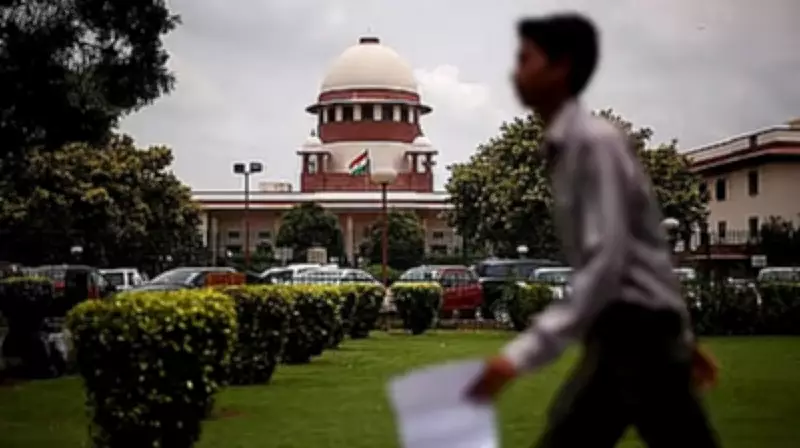
The Supreme Court on Tuesday granted bail to a man accused of extorting money by impersonating himself as a close aide of the Prime Minister and several Union ministers. The accused had allegedly threatened victims by claiming he had direct access to high-ranking officials, including the Prime Minister, and could influence government decisions.
Court's Decision and Conditions
A bench of Justices granted the relief after the accused submitted an undertaking that he would not misuse the names of high constitutional functionaries in the future. The court noted that the accused had been in custody for a considerable period and that the trial was likely to take time. It also directed him to cooperate with the investigation and appear before the investigating officer as required.
Nature of the Offence
The case pertains to allegations that the accused contacted multiple individuals, posing as a personal assistant to the Prime Minister and other ministers, and demanded money in exchange for favors such as government contracts and appointments. The police had registered a case under sections of the Indian Penal Code related to cheating, impersonation, and extortion.

Legal Arguments
The prosecution opposed the bail plea, arguing that the accused could influence witnesses and tamper with evidence if released. However, the defense counsel contended that the accused had no criminal antecedents and had been falsely implicated. The court, after hearing both sides, observed that the accused's undertaking addressed the primary concern of misuse of official names.
Implications
The ruling underscores the judiciary's stance on balancing individual liberty with the need to prevent abuse of constitutional authorities. The court emphasized that while impersonation of high officials is a serious offence, prolonged incarceration without trial cannot be justified. The case has also highlighted the need for stricter measures to curb such fraudulent activities that undermine public trust in government institutions.