

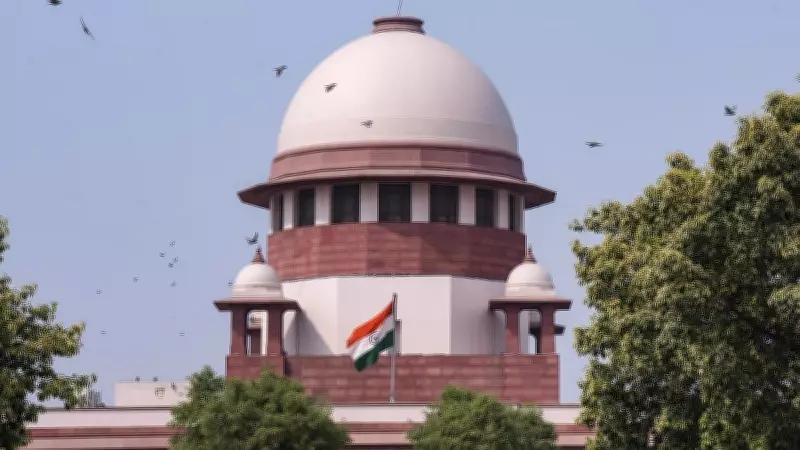
Supreme Court Overturns FEMA Property Confiscation Against DMK MP S Jagathrakshakan
In a significant legal development, the Supreme Court of India has provided substantial relief to DMK Member of Parliament S Jagathrakshakan by setting aside the confiscation of his properties under the Foreign Exchange Management Act (FEMA). The court's ruling, delivered on April 3, 2026, highlights critical procedural flaws in the enforcement actions taken by the adjudicating authority.
Court Cites Procedural Irregularities in Adjudication Process
The Supreme Court found that the adjudicating authority had acted prematurely by undoing the order of the competent authority while an appeal against that very order was still pending. This procedural misstep formed the core of the court's decision to quash the confiscation. The bench emphasized that such actions undermine the legal framework and due process, potentially setting a dangerous precedent for future cases under FEMA.
The ruling underscores the importance of adhering to established legal protocols in enforcement matters, particularly when dealing with high-stakes financial regulations like FEMA. By intervening, the Supreme Court has reinforced the principle that authorities must wait for appellate processes to conclude before taking irreversible actions like property confiscation.

Background and Implications of the FEMA Case
S Jagathrakshakan, a prominent DMK leader and sitting MP, had been embroiled in this FEMA case, which involved allegations related to foreign exchange violations. The properties in question were targeted for confiscation as part of the enforcement actions, but the Supreme Court's intervention has now halted these measures. This case is part of a broader landscape of legal scrutiny involving political figures and financial regulations in India.
The decision is expected to have far-reaching implications for similar FEMA cases, potentially leading to reviews of other confiscation orders where procedural lapses might have occurred. Legal experts suggest that this ruling could prompt authorities to exercise greater caution and ensure compliance with appellate timelines in future enforcement actions.
Reactions and Future Legal Proceedings
Following the Supreme Court's order, there has been a mix of reactions from political and legal circles. Supporters of Jagathrakshakan have hailed the decision as a victory for justice and due process, while critics may view it as a setback for enforcement agencies. The case now returns to the lower authorities for reconsideration in light of the Supreme Court's directives.
Key points from the ruling include:
- The adjudicating authority's action was deemed invalid due to the pending appeal.
- The Supreme Court emphasized the need for strict adherence to legal procedures in FEMA cases.
- This ruling may influence how similar property confiscations are handled under financial laws.
As the legal process continues, all parties involved are expected to comply with the Supreme Court's guidelines to ensure a fair and transparent resolution. The outcome of this case could shape future interpretations of FEMA provisions and enforcement strategies in India's financial regulatory landscape.






