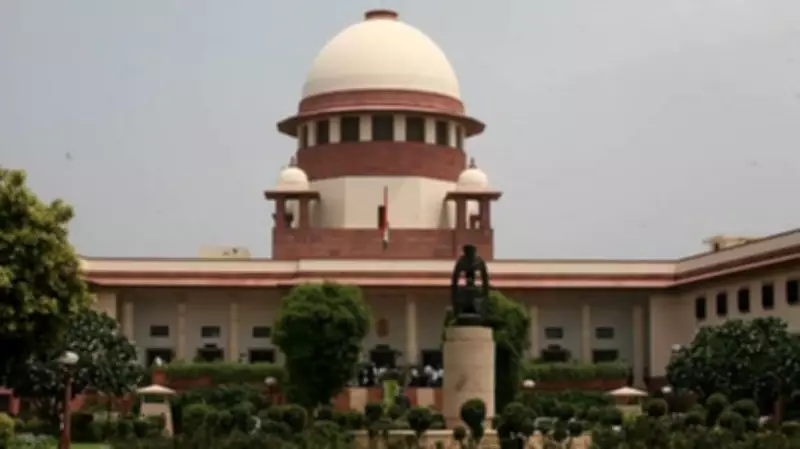
The Supreme Court is set to deliver its verdict today on the validity of the Special Intensive Revision (SIR) of electoral rolls undertaken by the Election Commission of India. The petitioners had challenged the exercise, claiming it violated several provisions of the Constitution and electoral laws.
Petitioners' Arguments
The petitioners contended that the SIR was in contravention of Articles 14, 19, 21, 325, and 326 of the Constitution of India. They further argued that it violated the provisions of the Representation of People (RP) Act, 1950, and the Registration of Electors Rules, 1960. According to the petitioners, the revision process was arbitrary and could disenfranchise eligible voters.
Constitutional and Legal Provisions
Article 14 guarantees equality before the law, while Article 19 protects freedom of speech and expression. Article 21 ensures the right to life and personal liberty. Articles 325 and 326 deal with the right to vote and the principle of universal adult suffrage. The RP Act and Registration of Electors Rules provide the framework for maintaining accurate and inclusive electoral rolls.

The Supreme Court's decision is anticipated to have significant implications for the electoral process in India. It will determine whether the SIR process aligns with constitutional mandates and statutory requirements. A ruling in favor of the petitioners could lead to a revision of the SIR methodology, while a dismissal would uphold the Election Commission's actions.
Background of the Case
The SIR was initiated by the Election Commission to update and clean electoral rolls. However, critics argued that the process was opaque and could lead to the removal of legitimate voters. The case was filed by various civil society organizations and individuals who claimed that the SIR disproportionately affected marginalized communities.
The court had reserved its judgment after hearing extensive arguments from both sides. The verdict is expected to clarify the scope of the Election Commission's powers and the safeguards required to protect voters' rights.