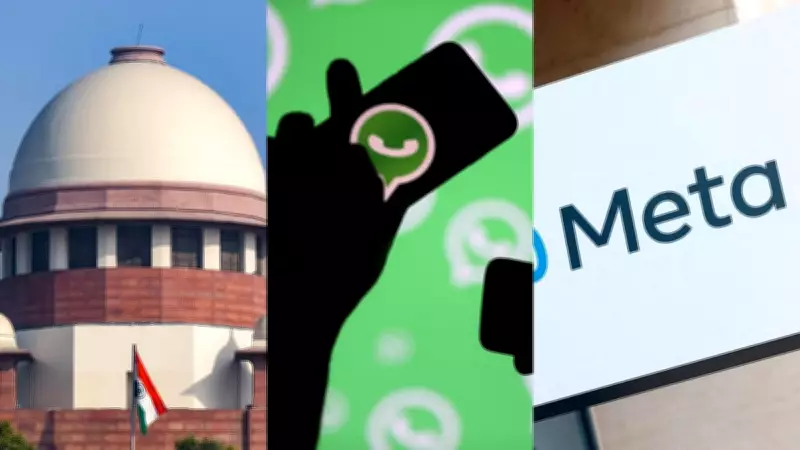
Supreme Court to Hear Meta's WhatsApp Privacy Policy Case on Monday
The Supreme Court of India is set to hear a significant case concerning Meta's WhatsApp privacy policy on Monday, marking a pivotal moment in the ongoing debate over digital data protection and user rights in the country. This hearing follows widespread concerns raised by users and regulatory bodies about the implications of WhatsApp's updated terms of service, which many argue compromise user privacy by allowing increased data sharing with parent company Meta.
Background of the Case
The controversy stems from WhatsApp's decision to implement a new privacy policy that requires users to consent to sharing their data with Meta for purposes such as advertising and business communications. This move sparked a backlash from millions of users in India, leading to legal challenges and petitions filed in various courts across the nation. The Supreme Court has taken up the matter to provide a unified legal perspective and address the constitutional and statutory issues involved.
Key Issues at Stake
At the heart of the case are several critical issues, including the right to privacy as enshrined in the Indian Constitution, the adequacy of user consent mechanisms in digital platforms, and the regulatory framework governing data protection in India. The petitioners argue that WhatsApp's policy violates fundamental rights by coercing users into accepting terms that may lead to unauthorized data exploitation. On the other hand, Meta contends that the policy is necessary for improving services and is compliant with existing laws.

Potential Implications
The outcome of this hearing could have far-reaching consequences for the tech industry and digital users in India. A ruling against Meta might force the company to revise its privacy policies or face penalties, setting a precedent for other platforms operating in the country. Conversely, a decision in favor of Meta could reinforce the autonomy of tech giants in setting their terms, potentially impacting future data protection legislation and enforcement.
What to Expect on Monday
During the hearing, the Supreme Court is expected to examine arguments from both sides, including submissions from the government, privacy advocates, and Meta representatives. The court may also consider interim measures, such as staying the implementation of the policy pending a final verdict. Legal experts anticipate a thorough discussion on balancing technological innovation with user rights, highlighting the need for robust data protection laws in the digital age.
This case underscores the growing importance of privacy concerns in an increasingly connected world, and its resolution will be closely watched by stakeholders globally.