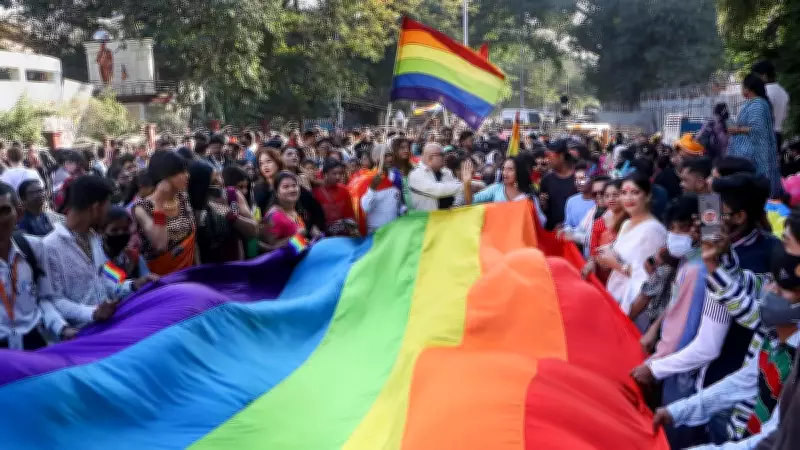
The Supreme Court of India is scheduled to hear a petition on May 4, 2026, challenging the constitutional validity of the Transgender Persons (Protection of Rights) Amendment Act. The petition contends that the amendment fundamentally alters the structure, object, and effect of the original 2019 Act, thereby infringing upon the fundamental rights guaranteed to transgender individuals under the Constitution.
Key Arguments of the Petition
The plea, filed by transgender rights activists and organizations, argues that the Amendment Act dilutes the protections originally provided in the 2019 legislation. It claims that the changes undermine the rights to equality, non-discrimination, and dignity of transgender persons. The petitioners have urged the court to strike down the amendment as unconstitutional.
Background of the 2019 Act
The Transgender Persons (Protection of Rights) Act, 2019, was enacted to prohibit discrimination against transgender individuals in education, employment, healthcare, and other areas. It also provided for the issuance of identity certificates and recognized the right to self-perceived gender identity. The amendment, passed in 2025, introduced several changes that critics say weaken these safeguards.

Concerns Raised by Activists
Activists have expressed concern that the amendment restricts the process for gender recognition, potentially requiring medical or psychological evaluation. They also argue that it reduces penalties for offenses against transgender persons and limits the scope of affirmative action policies. The petition emphasizes that such changes violate the principles laid down by the Supreme Court in landmark judgments like NALSA vs. Union of India.
Legal Implications
The outcome of this case could have far-reaching implications for transgender rights in India. If the court rules in favor of the petitioners, it may restore the original provisions of the 2019 Act or direct the government to revise the amendment. Conversely, upholding the amendment could set a precedent for future legislative changes affecting marginalized communities.
The hearing on May 4 will be closely watched by human rights organizations and the LGBTQ+ community across the country. The Supreme Court's decision is expected to clarify the balance between legislative authority and the protection of fundamental rights.