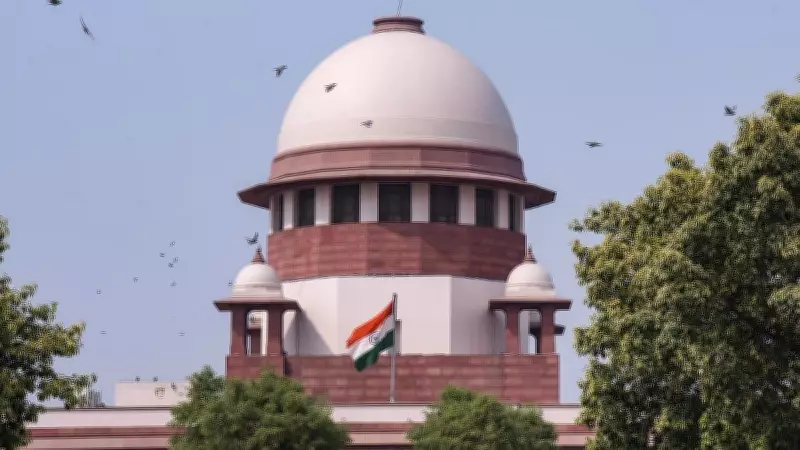
Supreme Court Issues Directive on Urgent Case Mentioning Protocol
The Supreme Court of India has issued a significant clarification regarding the procedure for mentioning urgent cases, stating that such matters must now be brought exclusively before benches led by the Chief Justice of India (CJI). This directive aims to streamline judicial processes and ensure uniformity in handling urgent petitions at the apex court level.
Ending Previous Practice of Approaching Senior Judges
Previously, in practice, lawyers and litigants would mention urgent matters for listing and hearing before the senior-most judge of the Supreme Court if the CJI was unavailable or occupied heading a constitution bench. This informal arrangement, while practical, sometimes led to inconsistencies and procedural ambiguities in the urgent listing of cases.
The new ruling mandates that all urgent mentions must now strictly be made before the CJI-led bench, regardless of the Chief Justice's schedule or availability. This move is expected to centralize decision-making on urgent matters, reducing potential delays and ensuring a more standardized approach across the judiciary.

Implications for Legal Practitioners and Litigants
This development has several key implications for the legal community:
- Enhanced procedural clarity: Lawyers and litigants now have a clear, unambiguous protocol to follow when seeking urgent hearings, eliminating confusion over which bench to approach.
- Potential for increased efficiency: By centralizing urgent mentions under the CJI, the court aims to expedite the listing process for critical cases that require immediate attention.
- Strengthened judicial hierarchy: The directive reinforces the primacy of the Chief Justice in managing the court's urgent caseload, aligning with constitutional principles of judicial administration.
The Supreme Court's decision reflects an ongoing effort to modernize and systematize its operations, particularly in handling time-sensitive matters that impact fundamental rights or national interest. Legal experts anticipate that this change will foster greater predictability in urgent case management, though it may also require adjustments in how practitioners plan their mentions.
As the judiciary continues to adapt to evolving demands, this protocol update underscores the Supreme Court's commitment to maintaining robust and efficient legal processes at the highest level of India's judicial system.