

Surat Police Uncover Major Adulterated Ghee Manufacturing Racket
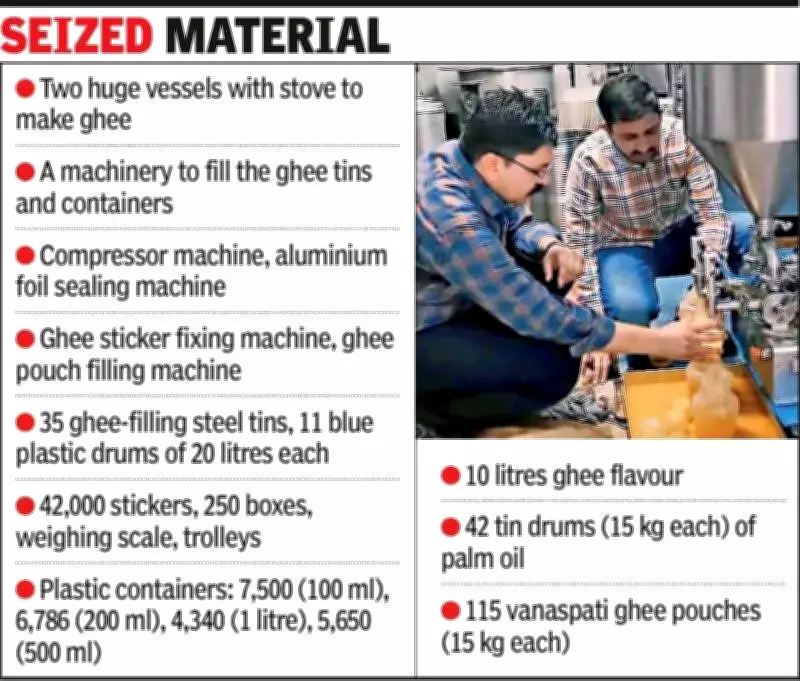
In a significant crackdown on food adulteration, the Special Operations Group (SOG) police in Surat have successfully busted a duplicate ghee manufacturing unit operating in the Sachin GIDC industrial area. The raid resulted in the seizure of a massive 2,029 kilograms of adulterated ghee, with an estimated market value of approximately Rs 15 lakh. This operation highlights ongoing concerns about food safety and counterfeit products in the region.
Two-Year Operation with Customized Quality
According to police officials, the illicit unit had been functioning clandestinely for the past two years, producing ghee of varying quality levels depending on specific client demands. The accused individuals were supplying the adulterated product under the 'Vidur' brand name across South Gujarat at wholesale prices around Rs 600 per kilogram, while the same product was being sold in retail markets for nearly Rs 1,000 per kilogram.
Deputy Commissioner of Police (SOG) Rajdeep Nakum revealed that the raid was conducted following a crucial tip-off received by Police Inspector Atul Sonara. Acting swiftly on this information, SOG teams targeted Plot No. I-33 in Sachin GIDC, where they discovered the sophisticated duplicate ghee manufacturing facility equipped with modern machinery.

Arrests and Manufacturing Process Details
Two individuals have been arrested in connection with the operation: Bharat Polra (49) and Amin Vadhwaniya (45). Police investigations indicate that these accused had been running the illicit unit continuously for the past two years. Their manufacturing process involved using a small quantity of pure ghee mixed with substantial amounts of palm oil, vanaspati (hydrogenated vegetable oil), and flavouring essence to produce what was marketed as cow ghee under the 'Vidur' brand.
Investigators uncovered that the adulteration ratio was particularly alarming: for every 1 kilogram of pure ghee used, approximately 14 kilograms of other ingredients were added, resulting in nearly 15 kilograms of the final adulterated product. This sophisticated dilution technique allowed the operators to maximize profits while maintaining a semblance of authenticity.
Customized Quality Based on Buyer Demand
The operation demonstrated remarkable flexibility in catering to market demands. Police officials confirmed that the accused customized the quality of their product according to specific orders received. When buyers requested inferior-quality ghee, the manufacturers produced variants costing as low as Rs 300 per kilogram. This pricing flexibility enabled them to target various market segments with different quality expectations.
The adulterated ghee was primarily sold in bulk quantities to multiple outlets including:
- Kirana stores throughout the region
- Dhabas and roadside eateries
- Hotels located along highways and in industrial areas
- Markets across villages and towns in South Gujarat
Massive Production Scale and Financial Implications
Investigators estimate that the accused had been producing nearly 1,000 kilograms of adulterated ghee daily throughout their two-year operation. With the product sold at prices ranging from Rs 300 to Rs 600 per kilogram, police believe the racket may have generated sales worth several crores of rupees. Based on conservative calculations using an average price of Rs 450 per kilogram, the total value of ghee sold during this period could potentially exceed Rs 30 crore.
During the raid, police also recovered Rs 2 lakh in cash, which is suspected to be proceeds from the sale of the adulterated ghee. Additionally, investigators discovered that large quantities of the manufactured ghee were stored at a separate godown in Talangpor village within the Sachin area. SOG teams subsequently raided this warehouse as well, seizing ready-to-sell stock from this secondary location.

Food Safety Violations and Regulatory Response
Following the police raid, food safety officers were called to the site to conduct their own assessment. These officials confirmed that the unit was manufacturing adulterated ghee without obtaining the required permissions and licenses necessary for food production facilities. This regulatory violation adds another layer of seriousness to the case, highlighting gaps in food safety monitoring systems.
The successful bust of this major adulterated ghee manufacturing racket represents a significant victory for food safety enforcement in Gujarat. It underscores the importance of vigilant monitoring and swift action against operations that compromise public health for financial gain. The case continues to be investigated, with authorities examining potential connections to other similar operations and assessing the full extent of the distribution network that facilitated the sale of these adulterated products across South Gujarat.





