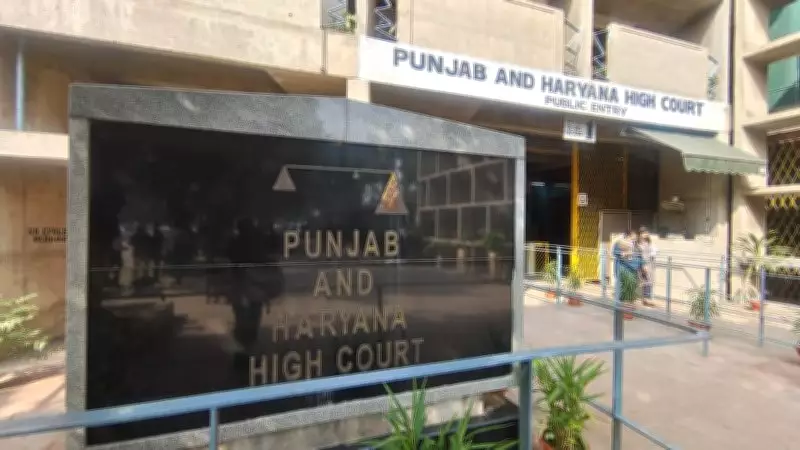
The Punjab and Haryana High Court has ruled that a person who stands surety for an accused has a statutory right to seek discharge from that responsibility at any time. The court clarified that such a request cannot be rejected merely because the bail or suspension of sentence was granted by a superior court.
High Court Sets Aside Magistrate's Order
Justice Manisha Batra set aside an order passed by the Fatehabad Chief Judicial Magistrate, who had dismissed an application filed by two sureties. The sureties were seeking permission to withdraw from the surety bonds furnished on behalf of a convict whose sentence had been suspended during the pendency of his appeal.
The petitioners submitted that they intended to sell the agricultural land on the strength of which they had stood surety. They also informed the court that the accused was willing to furnish another solvent surety in their place.

Magistrate's Erroneous Assumption
The Chief Judicial Magistrate dismissed the application on the ground that the surety bonds had been accepted in compliance with the High Court's order suspending the sentence, and permitting their withdrawal would amount to modifying that order. Examining the matter, Justice Batra observed that the petitioners were not seeking any modification of the order suspending the sentence or of the conditions of bail. Their request was limited to being discharged from the obligations undertaken by them as sureties, while the accused was willing to furnish fresh sureties.
Statutory Provision Under Section 489 BNSS
Referring to Section 489 of the Bharatiya Nagarik Suraksha Sanhita (earlier Section 444 of the Code of Criminal Procedure), the bench observed that the law expressly gives a surety the right to seek discharge from the bond at any stage. The provision also prescribes the procedure to be followed. It requires the magistrate to secure the presence of the accused, discharge the existing surety, and call upon the accused to furnish fresh and sufficient sureties. If the accused fails to do so, the magistrate may commit him to custody.
Justice Batra observed: “It casts a mandatory obligation upon the Magistrate to issue a warrant securing the presence of the accused and upon his appearance or voluntary surrender, to discharge the existing surety and call upon the accused to furnish fresh and sufficient sureties. Only in the event of the accused failing to furnish such sureties, the Magistrate can commit him to custody.”
Misconception of Jurisdiction
Referring to the facts of the case, the bench observed that the procedure had not been followed. Instead, the application was rejected on the assumption that permitting the sureties to withdraw would amount to modifying the High Court's order suspending the sentence. “Such an approach reflects a clear misconception of the scope of the provision. Discharge of a surety neither dilutes nor modifies the order granting bail or suspension of sentence. Rather, it merely relieves the surety from the obligation voluntarily undertaken by him while preserving the accused's entitlement to remain on bail, subject to furnishing fresh sureties in accordance with law,” the bench added.
Statutory Right Cannot Be Defeated
Justice Batra observed that discharging a surety neither changed nor modified the order granting bail or suspending the sentence. It only relieves the surety of the obligation undertaken by him, while the accused continues to remain on bail subject to furnishing fresh sureties in accordance with law. “The statutory right available to a surety under Section 489 of BNSS cannot be defeated merely because the order granting bail or suspending sentence was passed by a superior Court. The obligation of the Magistrate, once an application for discharge is moved, is to act in accordance with the procedure mandated by the statute and not to reject the request on a jurisdictional misconception,” the bench observed.

Petition Allowed, Matter Remitted
Allowing the petition, the court set aside the order of the Chief Judicial Magistrate and remitted the matter for fresh consideration. It directed the magistrate to proceed in accordance with Section 489 of the BNSS by securing the accused's presence, discharging the petitioners as sureties, and giving the accused an opportunity to furnish fresh and sufficient sureties. If the accused failed to furnish fresh sureties, the magistrate would proceed further in accordance with law, the court clarified.