Taiwan Tracks Significant Chinese Military Activity Near Its Borders
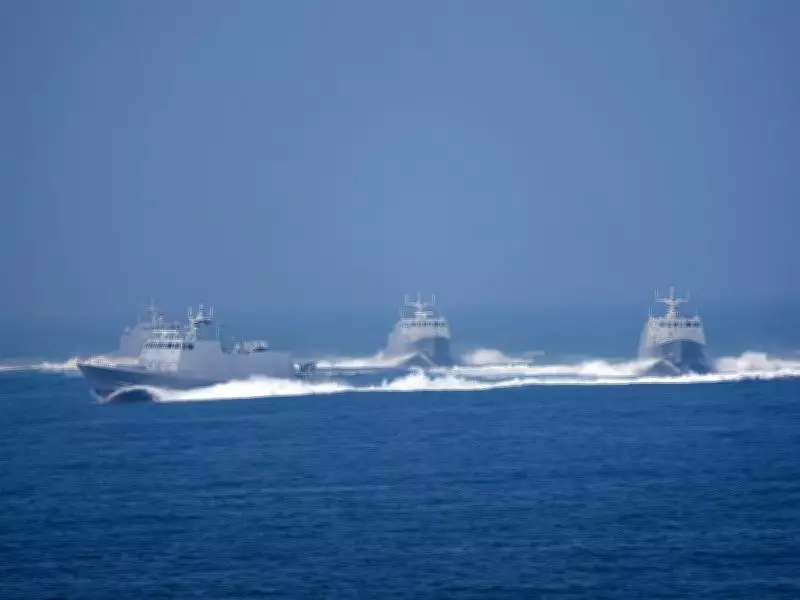
In a significant development highlighting the ongoing tensions in the region, Taiwan's Ministry of National Defense has reported the detection of a substantial number of Chinese military assets operating in proximity to its territory. According to official statements released by the Taiwanese defense authorities, a total of 42 People's Liberation Army Air Force aircraft and 11 People's Liberation Army Navy vessels were observed conducting operations in areas surrounding Taiwan.
Details of the Military Incursions
The Taiwanese defense ministry provided a detailed breakdown of the detected activities, noting that the sorties and naval movements occurred over a specific period, though the exact timing was not fully disclosed in the initial reports. This latest incident represents one of the more notable displays of Chinese military presence near Taiwan in recent months, underscoring the persistent pressure exerted by Beijing on the self-governing island.
Of the 42 aircraft detected, a portion were identified as crossing the median line of the Taiwan Strait, a symbolic boundary that has often been a focal point of military posturing between the two sides. The median line has traditionally served as an unofficial demarcation, but Chinese forces have increasingly disregarded it in recent years, leading to heightened alerts and responses from Taiwanese defense forces.

Taiwan's Response and Regional Implications
In response to these incursions, Taiwan's military has activated its surveillance and defense systems to monitor the situation closely. The island's armed forces have been placed on high alert, with air defense units and naval patrols deployed to ensure territorial integrity. Taiwan has consistently emphasized its commitment to defending its sovereignty and maintaining peace and stability in the Taiwan Strait, despite the growing military challenges from China.
The increased military activity comes amid a backdrop of ongoing political and diplomatic tensions between Taiwan and China. Beijing views Taiwan as part of its territory and has not ruled out the use of force to achieve reunification, while Taiwan maintains its de facto independence and seeks international support for its democratic governance. This incident is likely to further strain cross-strait relations and draw attention from global powers, including the United States, which has expressed support for Taiwan's security.
Broader Context of China-Taiwan Relations
This event is part of a pattern of increased Chinese military maneuvers around Taiwan, which have included regular air and naval drills. Analysts suggest that these actions are intended to signal Beijing's resolve and test Taiwan's defensive capabilities. The detection of 42 aircraft and 11 vessels adds to a growing tally of such incidents, reflecting a sustained campaign of military pressure.
- Historical Precedents: Similar incursions have occurred in the past, often coinciding with political events or statements from Taiwanese leaders.
- International Reactions: The United States and other allies have frequently condemned such actions, calling for restraint and peaceful dialogue.
- Taiwan's Defense Strategy: Taiwan continues to modernize its military and enhance its asymmetric warfare capabilities to deter potential aggression.
As tensions persist, the situation remains a critical flashpoint in the Indo-Pacific region, with implications for global security and economic stability. The latest reports from Taiwan's defense ministry serve as a reminder of the fragile balance in the Taiwan Strait and the ongoing challenges faced by the island in maintaining its autonomy.