Telangana High Court Clarifies Municipal Authority's Role in Building Permissions
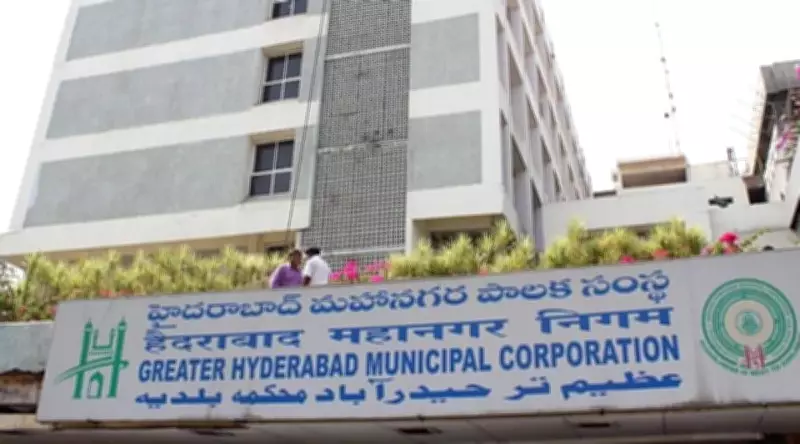
The Telangana High Court has delivered a significant judgment that clarifies the scope of municipal authorities' responsibilities when granting building permissions. In a ruling that upholds the permissions granted by the Greater Hyderabad Municipal Corporation (GHMC), the court has established that complex title disputes should not hinder the issuance of construction permits.
Court Dismisses Writ Petition Challenging GHMC Permissions
Justice Laxmi Narayana Alishetty, in a judgment dated January 27, dismissed a writ petition filed by S Rameshwar Rao and three others in 2018. The petitioners had sought to declare the GHMC's inaction on their representations between 2013 and 2017 as illegal, alleging that illegal constructions were being carried out on approximately 13.22 acres of land in Old Alwal village without valid permission.
The court found the petition devoid of any merit, thereby upholding the building permissions granted by the GHMC. This decision reinforces the administrative authority's discretion in such matters.
Prima Facie Title and Possession: The Key Considerations
Justice Alishetty ruled that the municipal commissioner is only required to consider the prima facie title and possession of the applicant regarding the property for which construction permission is sought. The court emphasized that the commissioner cannot and should not resolve intricate title disputes before granting building permits.
This principle is based on established legal precedents, which the court referenced in its order. The judgment states that it is a settled principle of law that municipal authorities must focus on these preliminary aspects rather than delving into disputed questions of property ownership.
Background of the Case and Court's Observations
The case involved a long-standing title dispute over the land in question. The original suit for partition, filed in 2008 by the children of the original landowner, was dismissed by a trial court in September 2022. An appeal against this judgment is currently pending before the Telangana High Court.
The court noted that third-party rights had been created as early as 2000. Subsequent buyers, respondents nos. 5 to 16, constructed houses after obtaining necessary permissions from the GHMC and are in possession of their respective properties. The court took note of the registered sale deeds and building permissions obtained by these respondents.
In its order, the court observed: "The petitioners cannot seek direction to the respondents Corporation not to grant permissions to third parties in respect of subject property by submitting representations, without establishing their title and possession over the subject property."
Legal Implications and Administrative Boundaries
The judgment underscores the limitations of writ jurisdiction under Article 226 of the Constitution of India. The court clarified that it cannot delve into disputed questions of facts and title disputes, nor can it sit in appeal over the decisions of administrative authorities like the GHMC commissioner.
This ruling is expected to streamline the process for obtaining building permissions in Telangana, particularly in Hyderabad, by reducing unnecessary delays caused by unresolved title disputes. It affirms that such disputes should be addressed in civil courts rather than through municipal administrative procedures.
The GHMC and private respondents argued that the Corporation had granted valid building permissions after being satisfied with the prima facie title and possession of the applicants. They contended that the petitioners were attempting to stall development by raising issues that were already under litigation in civil courts.
By dismissing the petition, the Telangana High Court has provided clarity on the administrative boundaries of municipal authorities, ensuring that development projects are not unduly hampered by protracted legal battles over property titles.