

Telangana Cracks Down on Financial Neglect of Parents with New Legal Enforcement
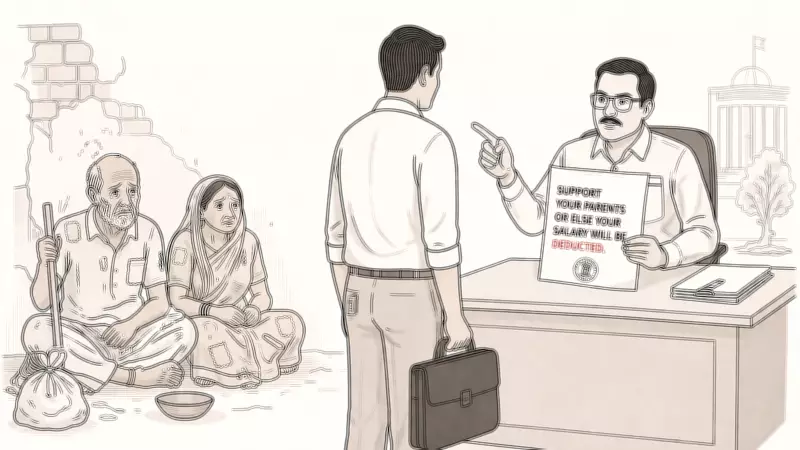
In a significant move to protect the elderly, the state of Telangana has begun strict enforcement of a law that makes failing to provide financial support to parents a punishable offense. This action targets adult children who neglect their legal and moral responsibilities towards their aging parents, ensuring that senior citizens receive the care and assistance they deserve in their later years.
Legal Framework and Penalties for Non-Compliance
The enforcement is based on the Maintenance and Welfare of Parents and Senior Citizens Act, which has been in existence but is now being rigorously applied in Telangana. Under this law, adult children or legal heirs are legally obligated to provide financial maintenance to their parents if they are unable to sustain themselves. The authorities have clarified that this includes not only biological parents but also adoptive parents and senior citizens under the care of relatives.
Key penalties for violations include:

- A fine of up to Rs 10,000 for first-time offenders.
- Potential imprisonment for repeat offenses or severe cases of neglect.
- Legal proceedings that can be initiated by the parents themselves or by designated welfare officers.
Implementation and Impact on Society
The Telangana government has set up dedicated tribunals and support systems to handle complaints related to this law. These bodies are empowered to summon the accused, hear both sides, and pass orders for monthly maintenance allowances based on the financial capacity of the children and the needs of the parents. This proactive approach aims to reduce the burden on the elderly who might otherwise suffer in silence due to financial hardship or family disputes.
Officials emphasize that the law is not intended to punish families but to foster a culture of respect and care for the elderly. By holding adult children accountable, the state hopes to encourage more responsible behavior and ensure that senior citizens can live with dignity and security. This enforcement is part of broader efforts to address issues of elder abuse and neglect, which have been on the rise in urban and rural areas alike.
Broader Context and Public Response
This move in Telangana aligns with national trends where several Indian states are strengthening laws to protect senior citizens. With an aging population and changing family structures, such legal measures are becoming increasingly crucial. Public response has been mixed, with many applauding the step as necessary for social welfare, while others express concerns about potential misuse or family conflicts.
Experts note that while the law provides a legal recourse, it also highlights the need for societal awareness and support systems for elderly care. The enforcement in Telangana serves as a reminder of the importance of intergenerational responsibility and the legal obligations that come with it.






