Texas Judge's Courtroom Outburst and Subsequent Email Controversy Ignite Legal Community Debate
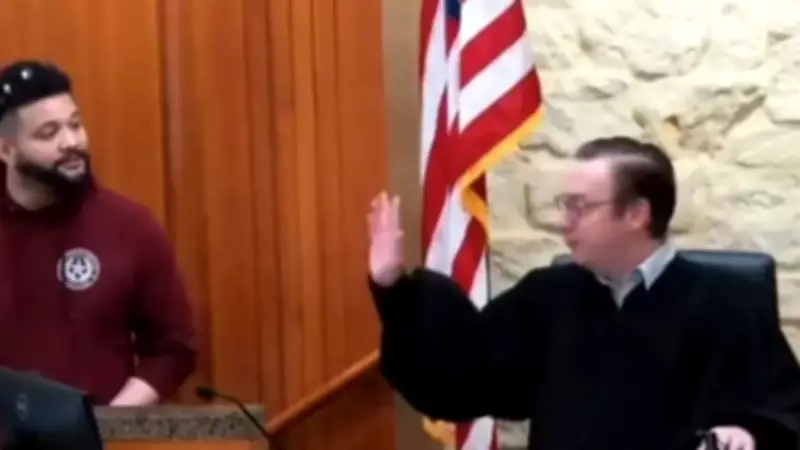
A recently circulated courtroom video featuring Harris County District Judge Nathan Milliron has triggered widespread discussion and concern within Houston's legal circles. The footage, which gained significant traction on social media platforms over the weekend, captures Judge Milliron speaking in a sharp, frustrated tone to a county IT employee who was apparently addressing a technical issue during court proceedings.
Viral Video Shows Judge's Direct Confrontation with Court Staff
The controversial clip shows Judge Nathan Milliron, who serves on the 215th District Court in Harris County, Texas, visibly agitated as he addresses the IT staff member. In the exchange, Milliron can be heard stating emphatically, "Don't joke around... get out of my courtroom... I'm sick and tired of this." The interaction, though brief, spread rapidly across online platforms including Reddit and X after being shared by users.
The tone and content of the exchange immediately drew attention from attorneys and legal professionals throughout the Houston area. Members of the local defense bar have expressed particular concern about the conduct displayed, emphasizing that judges are expected to maintain higher standards of professionalism and judicial temperament on the bench.

Legal Professionals Voice Concerns Over Judicial Conduct
Brent Mayr, president of the Harris County Criminal Lawyers Association, publicly criticized the behavior shown in the viral video. In a social media statement, Mayr described the interaction as inappropriate and emphasized that judges must uphold exemplary standards of conduct. His remarks focused specifically on judicial temperament, suggesting that the behavior exhibited in the clip may not align with expectations placed on members of the judiciary.
Mayr further warned that such conduct, if repeated or left unaddressed, could potentially undermine public confidence in the court system. The growing scrutiny comes as Judge Milliron, who was elected to his position in 2024, faces increasing examination of his professional behavior and courtroom management.
Email Exchange Adds Constitutional Dimension to Controversy
The situation escalated significantly when Houston attorney James Stafford reportedly sent an email to Judge Milliron referencing the viral video. In his message, Stafford expressed concern about the judge's tone during the incident and suggested that an apology to the affected staff member might be appropriate.
Judge Milliron's response proved controversial. The judge reportedly interpreted Stafford's email as an improper ex parte communication and ordered the attorney to appear in his courtroom at a specified future date to address the matter. Stafford responded by noting that he had no active cases before Judge Milliron and was simply sharing an opinion as a citizen and voter.
Constitutional Questions Emerge Regarding Free Speech Rights
This email exchange has raised significant questions about procedural matters versus free speech protections. Legal observers, including Brent Mayr, have suggested that Judge Milliron's response to Stafford could potentially raise constitutional concerns regarding free expression rights. The central question revolves around whether ordering a lawyer to appear in court over an unsolicited opinion constitutes an infringement on First Amendment protections.
The situation remains fluid, with legal experts noting that interpretations of ex parte communication rules can vary considerably depending on specific context and circumstances. It is not yet clear how this matter will proceed through formal legal channels, but the controversy has already prompted broader discussions about judicial accountability, professional conduct standards, and the appropriate boundaries of judicial authority.
As the legal community continues to examine both the initial video and the subsequent email exchange, observers are watching closely to see how these events might influence ongoing conversations about judicial ethics, courtroom decorum, and the relationship between the judiciary and the legal professionals who practice before it.