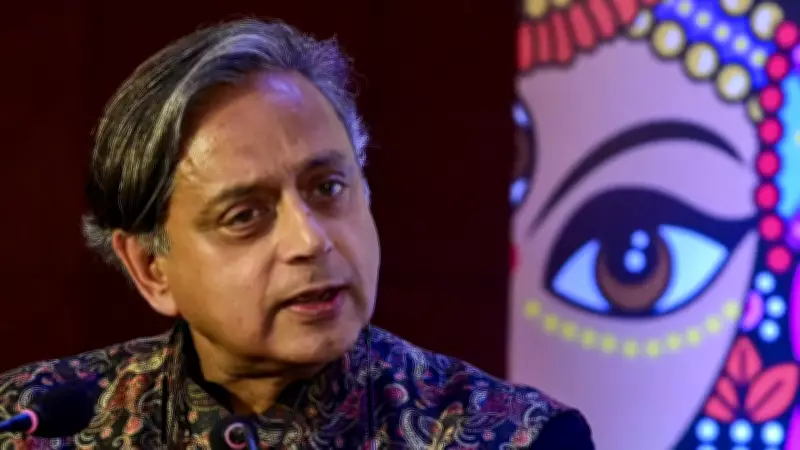
Shashi Tharoor Condemns Washington Post's Layoff of Son Ishaan as 'Perverse Self-Immolation'
Congress MP Shashi Tharoor has launched a scathing criticism of The Washington Post for its decision to lay off his son, foreign affairs columnist Ishaan Tharoor, describing the move as a "perverse act of self-immolation." The senior politician expressed his dismay publicly on social media platform X, highlighting what he sees as a misguided business decision by the prestigious newspaper.
Tharoor Questions Business Logic Behind Layoff
In his detailed post on X, Shashi Tharoor pointed out the apparent contradiction in the newspaper's decision. "The bizarre thing about this so-called 'business decision' by The Washington Post is that @ishaantharoor's column flourished on the Internet," he wrote, emphasizing that his son's WorldView newsletter had attracted an impressive 500,000 individual subscribers – more than half a million dedicated readers.
Tharoor elaborated that he had personally met numerous foreign ministers, diplomats, and scholars from around the world who regularly consumed Ishaan's newsletter. He argued that instead of eliminating such a successful platform, the newspaper could have explored better monetization strategies to capitalize on its substantial reach and influence.
Major Restructuring Hits Washington Post's International Coverage
Ishaan Tharoor's layoff forms part of a significant organizational restructuring at The Washington Post that has affected approximately 300 employees across various departments. The international desk appears to have borne the brunt of these cuts, with multiple correspondents and editors announcing their exits on social media platforms.
In his own emotional post on X, Ishaan Tharoor confirmed that he had been laid off along with much of the international staff. He expressed being "heartbroken" for the newsroom and colleagues he had worked with for nearly 12 years. In a separate message, he described it as "a bad day" and shared a poignant image of an empty newsroom. He also reflected on launching WorldView in 2017 and expressed gratitude to the newsletter's approximately half-a-million subscribers.
Structural Changes and Global Impact
The Washington Post's restructuring represents one of the most substantial contractions in the newspaper's global reporting footprint in modern history. As part of the overhaul:
- The Post has significantly reduced its foreign bureaus
- Several international reporting roles have been eliminated
- The newspaper's on-the-ground presence has shrunk in critical regions including the Middle East, Europe, Asia, and Latin America
- Multiple senior correspondents and editors have confirmed their exits
- Some entire regional teams have been disbanded
The restructuring has also led to the winding down or closure of several editorial initiatives, including podcasts and specialist sections, as management seeks to cut costs and refocus resources amid sustained financial pressures facing legacy newsrooms in the United States.
Financial Pressures and Union Concerns
The Washington Post, owned by Amazon founder Jeff Bezos, has faced declining digital subscriptions and advertising revenue in recent years, prompting repeated rounds of cost-cutting measures. The Washington Post Guild, representing staff members, has issued statements urging continued investment in the newspaper's journalism.
The union has warned that continued reductions to reporting staff risk undermining the newspaper's journalistic mission, particularly its ability to provide comprehensive coverage of international affairs. This strategic retreat from expansive international coverage comes at a time of heightened geopolitical instability worldwide, raising concerns about the newspaper's capacity to report on global developments effectively.
The current layoffs mark a significant shift in The Washington Post's editorial strategy, signaling a move away from its traditional strength in international reporting toward a more focused, potentially domestic-oriented approach. This development has sparked broader discussions about the future of international journalism and the challenges facing traditional media organizations in the digital age.