

Transgender Community Stages Major Protest in Ranchi Against Rights Amendment Bill
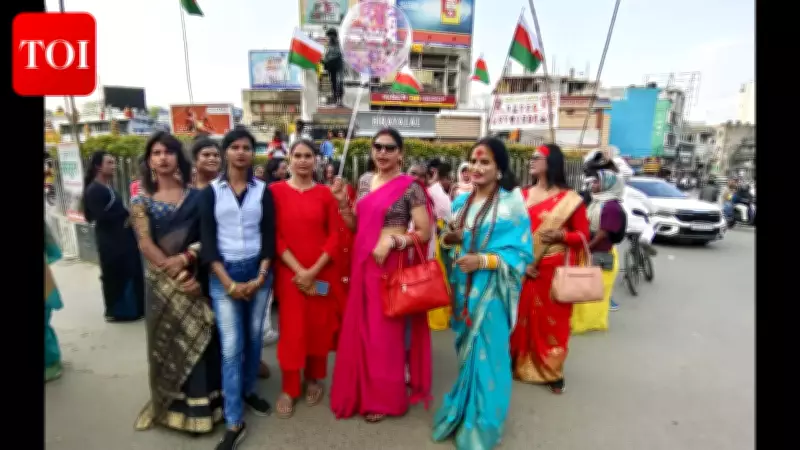
In a significant demonstration of dissent, members of the transgender community organized a substantial protest at Firayalal Chowk in Ranchi on Sunday. The gathering was specifically aimed at opposing the Transgender Persons (Protection of Rights) Amendment Bill 2026, which has been presented in Parliament. Protesters voiced strong concerns that the proposed legislation would substantially weaken existing legal protections and undermine the fundamental identity and rights of transgender individuals across India.
Widespread Participation from Multiple Districts
The protest saw active participation from transgender community members hailing from various districts including East Singhbhum, West Singhbhum, Seraikela-Kharsawan, Ramgarh, Hazaribag, and Ranchi itself. Demonstrators gathered at the prominent site, raising powerful slogans and demanding equality, dignity, and freedom for all transgender persons. The collective voice highlighted growing anxiety about potential regression in transgender rights legislation.
Key Concerns About the Amendment Bill 2026
The proposed Transgender Persons (Protection of Rights) Amendment Bill, 2026 seeks to modify the original 2019 law by implementing a more restrictive definition of transgender persons. The amendments would limit official recognition to select socio-cultural identities and intersex individuals, creating what protesters describe as exclusionary criteria.

Protest leaders argued that these provisions fundamentally contradict the spirit of the landmark NALSA judgment of 2014, which formally recognized transgender persons as the third gender and guaranteed them constitutional fundamental rights. Activists emphasized that the bill represents a dangerous shift away from the principle of self-identification that was central to the NALSA verdict.
Systemic Implementation Failures in Jharkhand
Beyond national legislative concerns, demonstrators highlighted persistent implementation failures within Jharkhand state. Despite court intervention leading to the constitution of a transgender welfare board, participants reported that the body remains largely inactive and has failed to deliver tangible benefits to the community.
Protesters outlined multiple unaddressed issues including:
- The absence of adequate shelter homes and dedicated community spaces
- Severe lack of employment opportunities and economic inclusion
- Unfulfilled promises regarding reservation benefits
- Inadequate implementation of existing welfare measures
Community Voices and Leadership Perspectives
Amarjeet Nand Giri, a prominent member of the transgender community who led the protest, expressed grave concerns about the bill's implications. "The existence of trans men itself is under threat under this proposed legislation," Giri stated. "For trans women, board verification may become mandatory. Why should outsiders decide our identity? This shifts gender recognition from self-identification to institutional approval, which could exclude many community members and take away our fundamental autonomy."
Activists emphasized that the bill's restrictive approach may specifically exclude trans men, non-binary individuals, and genderqueer persons from legal recognition. This exclusion would make access to essential identity documents, welfare benefits, and government services significantly more difficult for these marginalized groups.
Conclusion and Demands
The protest concluded with a clear set of demands directed at both state and central governments. Participants called for comprehensive policy revision of the amendment bill and immediate government action to address systemic gaps in transgender rights protection. The community emphasized the urgent need to safeguard the hard-won rights of transgender persons and ensure that legislative changes align with the progressive principles established in the NALSA judgment.
The demonstration represents growing concern among transgender communities nationwide about potential regression in rights recognition and highlights the ongoing struggle for equal treatment under Indian law.






