Travel Restrictions Imposed on Mahadeshwara Hills Pilgrimage Route After Leopard Attack
In a significant move to ensure public safety, forest and police authorities in Tamil Nadu and Karnataka have jointly enforced a five-day travel ban for devotees heading to the Sri Male Mahadeshwara Temple in Chamarajanagar district, Karnataka. The restrictions, effective from Saturday, specifically prohibit travel by foot, motorcycles, and auto-rickshaws from Kolathur in Salem, Tamil Nadu, through the Cauvery Wildlife Sanctuary.
Precautionary Measures Following a Disturbing Incident
This decision comes in response to a recent leopard attack that occurred on Wednesday, prompting immediate action from the Rajnagar district collector in Karnataka. The collector had already banned devotees, pedestrians, two-wheelers, and autos from using a 7-kilometer forest road between Talabetta and Mahadeshwara Hills from Friday to February 18.
The incident involved an 8-year-old boy named Shreyas from South Chennapatta, Bengaluru, who was attacked by a leopard while on a pilgrimage with his family to the hill temple. According to an official source, the child sustained injuries to his arms and legs during the encounter. He was promptly rescued by the Mahadeshwara Hills police and admitted to a nearby government primary health centre for treatment.
Ensuring Safety During Maha Shivratri Celebrations
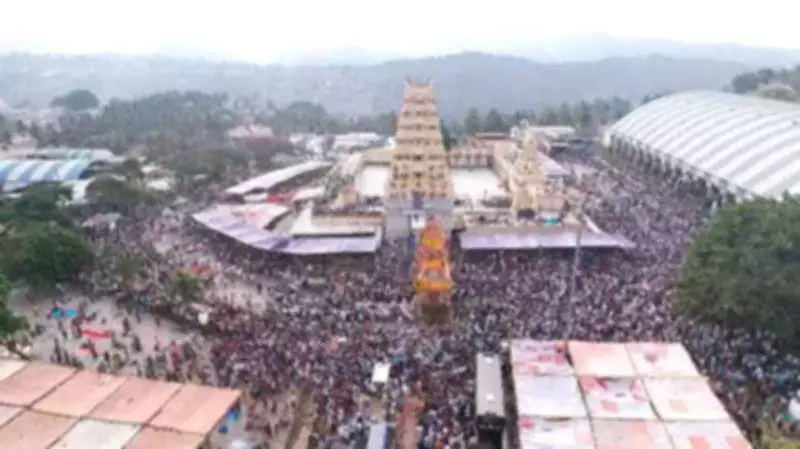
Coinciding with the start of Maha Shivratri celebrations at the Sri Male Mahadeshwara Temple on Saturday, these measures aim to mitigate risks during a festival that attracts devotees from various states across India, including Tamil Nadu. A forest official emphasized, "To avoid man-animal conflict, we have banned the devotees from travelling to the temple by walk, two-wheelers and autos until February 18. They could, however, travel by van, car and bus."
The authorities' proactive stance highlights the ongoing challenges of balancing religious practices with wildlife conservation and public safety in ecologically sensitive areas. By restricting high-risk modes of transport, they hope to prevent further incidents while allowing pilgrimage activities to continue in a controlled manner.