

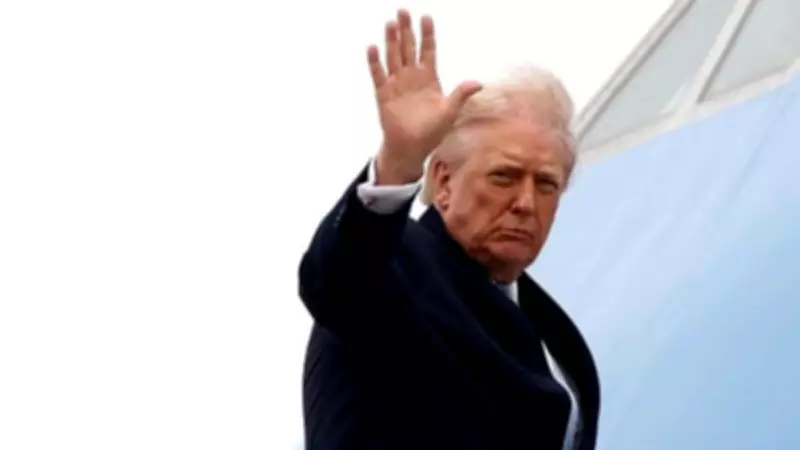
Trump Withdraws Ultimatum to Attack Iran's Power Network, Announces Ongoing US-Iran Talks
In a significant diplomatic development, former US President Donald Trump has publicly reversed his earlier threat to launch military strikes against Iran's power generation facilities. This announcement comes just days after Trump issued a stark warning to the Iranian government, demanding that the Strait of Hormuz be fully opened to all international shipping vessels within a strict 48-hour deadline.
From Ultimatum to Negotiation Table
On Saturday, March 21, 2026, Trump had explicitly warned that failure by Tehran to comply with his demand would result in the destruction of Iranian power plants. The ultimatum, delivered via official channels, escalated already heightened tensions in the strategically vital Persian Gulf region. However, in a follow-up statement, Trump confirmed that the United States and Iran are now holding direct talks, leading to the withdrawal of the military threat.
The initial threat centered on the Strait of Hormuz, a critical maritime chokepoint through which approximately one-fifth of the world's oil supply passes. Trump's demand for unrestricted access was framed as a measure to ensure global energy security and free navigation. The 48-hour deadline created an immediate international crisis, with markets and governments bracing for potential conflict.

Diplomatic Channels Open Amidst Tensions
The revelation of ongoing talks marks a pivotal shift from confrontation to diplomacy. While specific details of the negotiations remain confidential, sources indicate that discussions are focused on de-escalating regional tensions and addressing security concerns in the Persian Gulf. The decision to back down from the strike threat suggests that both sides are seeking a negotiated solution rather than military escalation.
This development follows a pattern of volatile US-Iran relations, characterized by periods of intense pressure and intermittent diplomatic engagement. The involvement of Trump, a figure known for his unconventional foreign policy approach, adds a layer of unpredictability to the proceedings. Analysts note that the public confirmation of talks could be a strategic move to build leverage or demonstrate a willingness to engage.
Global Implications and Regional Stability
The potential targeting of Iran's power infrastructure had raised alarm about humanitarian and environmental consequences, as well as the risk of a broader regional conflict. Power plants are considered critical civilian infrastructure, and attacks on them could have severe repercussions for Iran's population and economy. The withdrawal of the threat is likely to be welcomed by international observers and regional stakeholders advocating for stability.
Key points from this unfolding situation include:
- Trump's initial ultimatum demanded full access to the Strait of Hormuz within 48 hours.
- The threat to destroy Iranian power plants has been officially rescinded.
- Direct talks between the US and Iran are now confirmed to be underway.
- The focus has shifted from military action to diplomatic negotiation.
- The Strait of Hormuz remains a focal point of geopolitical tension and economic concern.
As negotiations continue, the international community will be closely monitoring for further developments. The outcome of these talks could significantly influence not only US-Iran relations but also the broader security dynamics of the Middle East and global energy markets. The situation underscores the delicate balance between assertive foreign policy and the pursuit of diplomatic resolutions in high-stakes international disputes.






