

Trump's Gaza Disarmament Proposal Faces Significant Delays
The implementation of former President Donald Trump's proposed plan for the Gaza Strip has been placed on hold, according to recent reports. This strategic pause comes as international attention shifts toward escalating tensions and potential conflict involving Iran, creating a complex geopolitical landscape that has temporarily sidelined critical negotiations.
Core Components of the Stalled Gaza Strategy
The Trump administration's framework for Gaza was multifaceted, aiming to address long-standing security and humanitarian issues. A central pillar of this proposal involved a potential amnesty agreement for Hamas militants. In exchange for laying down their weapons and renouncing violence, members of the group would be granted clemency, a step designed to reduce immediate threats and foster a more stable environment.
This disarmament-for-amnesty provision was not an isolated measure. It was intricately linked to broader objectives for the region's recovery and political future. The successful execution of this step was intended to serve as a crucial prerequisite, paving the way for subsequent phases of the plan.

Broader Implications for Reconstruction and Withdrawal
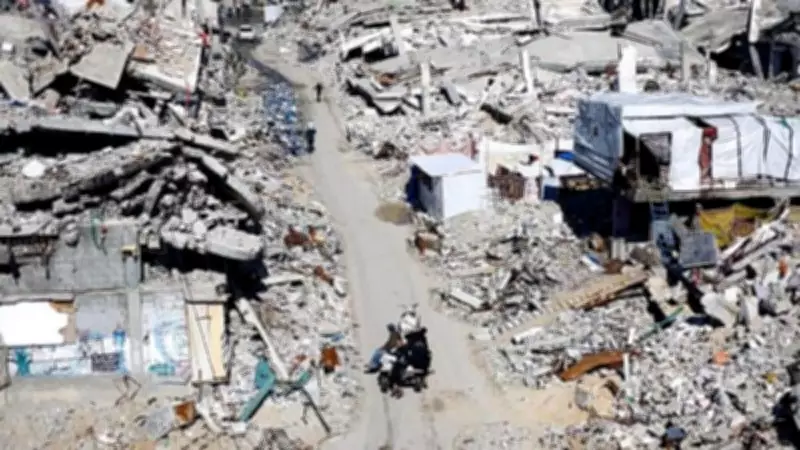
The proposed disarmament agreement was seen as a key that could unlock two significant subsequent actions. First, it aimed to facilitate large-scale reconstruction efforts in Gaza, which has suffered extensive damage from repeated conflicts. A demilitarized environment is considered essential for the safe and effective delivery of aid, infrastructure rebuilding, and economic revitalization projects.
Second, the plan envisioned further withdrawals of Israeli military forces from certain areas within or adjacent to Gaza. These withdrawals were contingent upon verifiable security guarantees, which the Hamas disarmament was meant to provide. The overall goal was to create a pathway toward reduced tensions and a more sustainable status quo, though the plan's specifics regarding long-term political solutions remained a subject of debate.
The Iran Factor: A Diverting Crisis
The current stall in these Gaza-focused talks is directly attributed to the international community's heightened preoccupation with Iran. Rising hostilities and the threat of a broader regional war have demanded urgent diplomatic and strategic resources. This shift in focus has effectively paused the detailed negotiations required for the complex Gaza disarmament proposal.
Analysts suggest that the Iran situation has created a volatile backdrop, making any agreement with Hamas appear more risky or less immediately pressing for key stakeholders, including the US and Israeli governments. The priority has temporarily moved from brokering a Gaza deal to managing a potential crisis with wider regional implications.
Uncertain Future for the Proposal
With the talks on hold, the future of Trump's Gaza plan remains uncertain. The delay highlights the interconnected nature of Middle Eastern conflicts, where developments in one arena can swiftly impact negotiations in another. The proposal's success was always dependent on a fragile set of conditions, including Hamas's willingness to disarm and the provision of credible security assurances for Israel.
The ongoing Iran crisis adds another layer of complexity, potentially altering the strategic calculations of all involved parties. For now, the plan that linked Hamas's disarmament to Gaza's reconstruction and Israeli military adjustments awaits a more conducive moment, while the world watches the escalating tensions with Iran. The path forward for Gaza's stability and humanitarian recovery appears once again contingent on the resolution of broader regional conflicts.






