Trump Signals Potential Second Carrier Deployment in Middle East Amid US-Iran Talks
Former President Donald Trump has hinted at the possibility of deploying a second US aircraft carrier to the volatile Middle East region. This strategic suggestion comes at a critical juncture, as diplomatic channels between the United States and Iran show signs of renewed engagement and cautious optimism.
Oman-Facilitated Talks Pave Way for Diplomatic Progress
Last week, the Sultanate of Oman played a pivotal role as a neutral intermediary, facilitating direct talks between Iranian and American representatives. These discussions, held behind closed doors, mark a significant step in easing long-standing tensions between the two nations. A spokesperson for Iran's foreign ministry provided insights into the outcomes of these negotiations, stating that the talks enabled Tehran to effectively assess Washington's seriousness and commitment to diplomatic solutions.
The Iranian official further emphasized that sufficient consensus was reached during the Oman-mediated meetings to justify the continuation of diplomatic efforts. This development suggests a potential thaw in relations, which have been characterized by decades of hostility and mutual suspicion. The talks focused on core issues, including regional security, nuclear concerns, and economic sanctions, with both sides reportedly engaging in substantive dialogue.

Trump's Carrier Remarks Reflect Ongoing Strategic Calculations
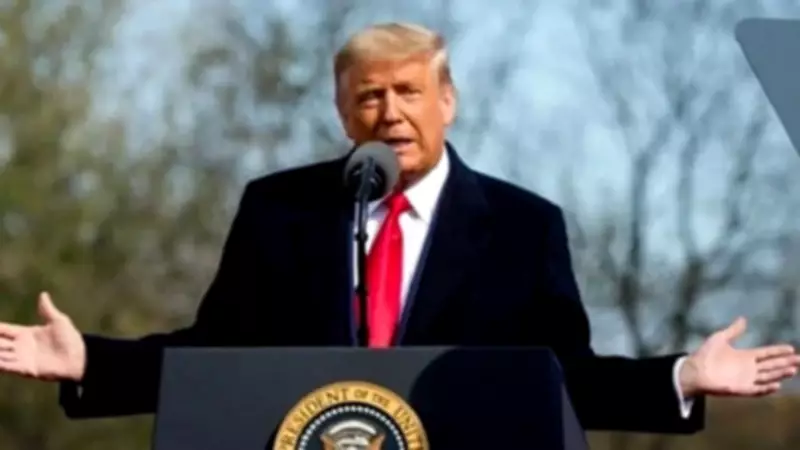
In response to these diplomatic maneuvers, Donald Trump publicly alluded to the strategic necessity of bolstering US naval presence in the Middle East. His comments about a potential second aircraft carrier deployment underscore the complex interplay between military posturing and diplomatic outreach in US foreign policy. Analysts interpret this as a signal that Washington is prepared to maintain a robust deterrent capability while simultaneously exploring peaceful resolutions through talks.
The presence of additional US carrier strike groups in the region would significantly enhance American force projection and readiness. It serves as a clear message to Iran and other regional actors about US commitment to safeguarding its interests and those of its allies. This dual-track approach—combining diplomatic engagement with military preparedness—highlights the nuanced strategies employed in high-stakes international relations.
Regional Implications and Future Outlook
The convergence of Trump's carrier hints and the progress in US-Iran talks has far-reaching implications for Middle Eastern stability. Key stakeholders, including Gulf Cooperation Council (GCC) members and Israel, are closely monitoring these developments. The potential for reduced tensions could lead to:
- Enhanced regional security cooperation
- Economic opportunities through eased sanctions
- Improved humanitarian conditions in conflict-affected areas
- Strengthened non-proliferation frameworks
As diplomatic efforts continue, the international community remains cautiously optimistic. The success of future negotiations will depend on sustained goodwill, tangible confidence-building measures, and a shared commitment to de-escalation. The role of Oman as a trusted mediator exemplifies the importance of neutral intermediaries in facilitating dialogue between adversarial states.
Ultimately, the evolving situation demonstrates how strategic military considerations and diplomatic initiatives can coexist in the pursuit of national and regional security objectives. The coming weeks will be crucial in determining whether these talks translate into lasting agreements or if geopolitical realities necessitate continued military preparedness in the strategically vital Middle East.