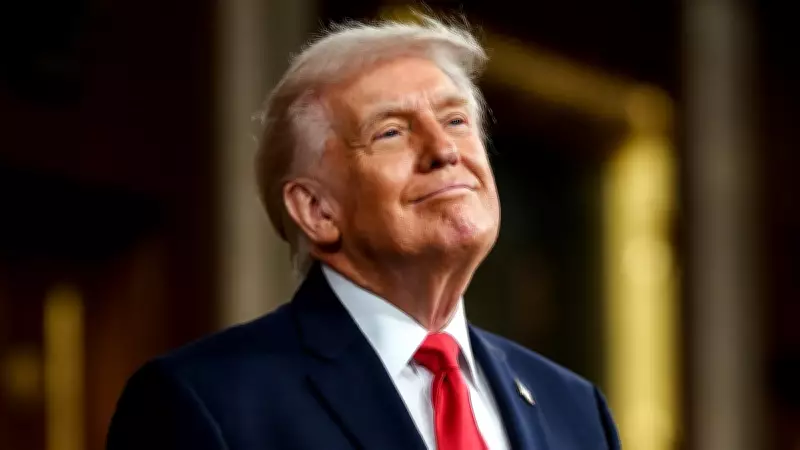
Analyzing the Strategic Dimensions of Trump's Confrontation with Iran
The geopolitical landscape of the Middle East has been profoundly shaped by the longstanding tensions between the United States and Iran, particularly during the administration of former President Donald Trump. This conflict is rooted in Iran's assertive regional policies that have evolved since the 1979 Iranian Revolution.
Iran's Imperialist Ambitions Since 1979
Since the revolution, Iran has positioned itself as a dominant imperialist force in the Middle East. The country has systematically cultivated and supported proxy groups across multiple nations to extend its influence and counter Western-aligned interests.
This strategy has involved establishing strong ties with factions in Syria, Lebanon, Iraq, and Yemen, creating a network of allied militias and political entities that advance Tehran's objectives.

The Proxy Network Strategy
Iran's use of proxies is a cornerstone of its foreign policy. In Syria, it has backed the Assad regime through military and financial support. In Lebanon, Hezbollah serves as a key ally, while in Iraq, various Shia militias are influenced by Iranian guidance.
In Yemen, Iran has provided assistance to Houthi rebels, further complicating the regional security dynamics. These proxies allow Iran to project power without direct military confrontation, undermining stability in these nations.
Undermining Liberal Reformers
A critical aspect of Iran's strategy has been the deliberate undermining of liberal reformers in Syria, Lebanon, Iraq, and Yemen. By promoting sectarian divisions, particularly along Shia-Sunni lines, Iran has weakened movements advocating for democratic governance and secular policies.
This approach has fueled conflicts and hindered political progress, making it challenging for moderate voices to gain traction in the region.
Trump's Response and Geopolitical Implications
The Trump administration adopted a hardline stance against Iran, withdrawing from the nuclear deal and imposing severe sanctions. This policy was aimed at countering Iran's regional influence and curbing its proxy activities.
The confrontation escalated tensions, leading to incidents such as the assassination of Iranian General Qasem Soleimani and retaliatory attacks. This dynamic has had far-reaching implications for Middle Eastern stability and international relations.
Understanding this conflict requires a nuanced view of Iran's imperialist tactics and the strategic calculations behind Trump's policies. The ongoing repercussions continue to shape diplomatic and military strategies in the region.