Two Grooms, One Bride: Wedding Chaos in Amroha as Police Intervene
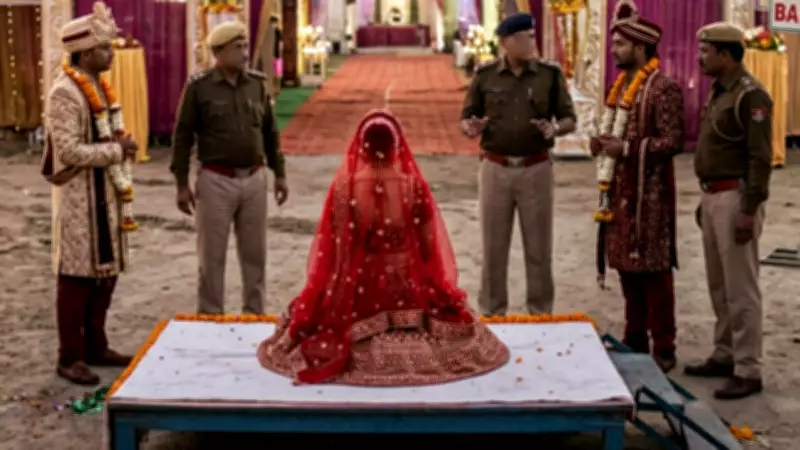
In a bizarre incident that unfolded in Amroha on Sunday evening, a wedding ceremony descended into utter chaos when two separate baraats, or wedding processions, arrived at the same banquet hall, both claiming the same bride. The situation escalated to such an extent that local police had to step in and directly ask the bride to declare whom she wished to marry, ultimately resolving the confusion that stemmed from a cancelled alliance and a hastily arranged new match.
Roots of the Confusion: A Cancelled Alliance and a Quick Fix
The turmoil began when the bride's family initially fixed her marriage with a man from Moradabad. Invitation cards for this union had already been printed and distributed, signaling a formal commitment. However, a dispute arose between the two families, leading to the cancellation of this alliance. Determined to avoid social embarrassment and keep the pre-set wedding date unchanged, the bride's family swiftly arranged a new nikah, or Islamic marriage contract, with another groom from Sambhal.
Chaos Erupts as Both Baraats Arrive
On the wedding day, the Sambhal baraat reached the designated banquet hall first. Preparations for the nikah ceremony commenced smoothly, with guests and relatives gathering in anticipation. However, the calm was shattered when the Moradabad groom unexpectedly arrived with his own procession, asserting his claim to the bride. This led to immediate tension and widespread confusion at the venue, as both sides vehemently insisted that the bride was meant for them.

Police Intervention and the Bride's Decision
Upon arrival, police officers engaged with members of both families to understand the complex circumstances. Recognizing the need for a clear resolution, they then approached the bride directly, asking her to state her preference unequivocally. An officer later recounted, "The woman agreed to marry the Sambhal groom with her family’s consent." This decisive moment brought clarity to the chaotic event.
Following the bride's choice, the nikah with the Sambhal groom was formally completed without further incident. The Sambhal baraat then departed with the bride, marking the conclusion of the wedding. Police managed to peacefully disperse the Moradabad groom and his procession, ensuring the situation was brought under control. "No action was taken," an officer noted, indicating that the matter was resolved through dialogue rather than legal measures.
Broader Implications and Community Reaction
This incident has sparked discussions within the local community about the pressures and complexities surrounding arranged marriages, particularly when disputes arise close to wedding dates. It highlights the challenges families face in balancing social expectations with practical decisions, and the critical role of clear communication in preventing such misunderstandings.
The swift police intervention was praised for averting potential violence, underscoring the importance of law enforcement in mediating domestic and social conflicts. As the families involved reflect on the events, this story serves as a cautionary tale about the need for transparency and agreement in marital arrangements to avoid public spectacle and emotional distress.