UAE Air Travel Gradually Resumes After Geopolitical Crisis Forces Widespread Disruptions
Thousands of travelers across the United Arab Emirates have been stranded since February 28, following extensive airspace closures triggered by escalating geopolitical tensions in the Middle East. The conflict involving Iran, the United States, and Israel prompted numerous Gulf countries and connected airways to cancel and reschedule flights, leaving many tourists scrambling for shelter in the UAE.
Airlines Initiate Rescue Operations for Stranded Passengers
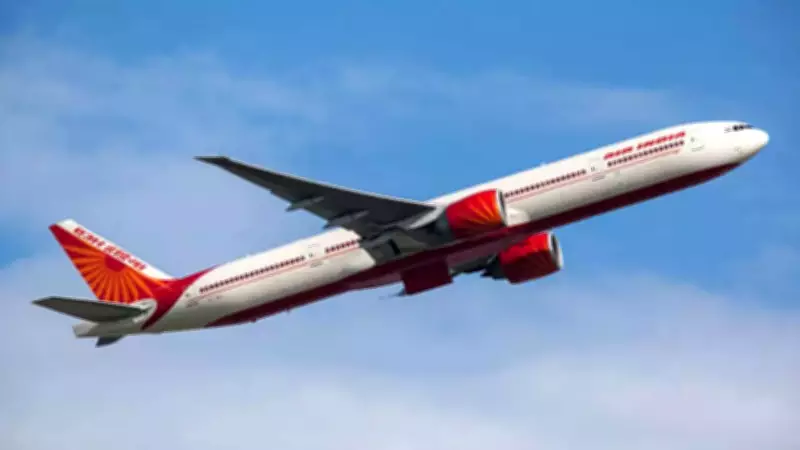
As the situation stabilizes, airlines are slowly resuming flights to limited destinations, providing a lifeline for people seeking to return home safely. Air travel between the UAE and India has recommenced, with major carriers such as IndiGo and Air India announcing updated flight schedules.
In a significant development on Saturday, Air India and Air India Express revealed plans to operate 32 non-scheduled flights between India and the UAE on March 9, specifically aimed at repatriating stranded travelers. These flights are contingent upon slot availability and prevailing conditions, with necessary permissions secured from Indian and local aviation authorities.

Detailed Flight Plans for Evacuation Efforts
The evacuation strategy includes targeted operations from key locations:
- Air India will operate 10 non-scheduled flights to and from Dubai, featuring three round-trip flights from Mumbai and two from Delhi.
- Air India Express will manage one round-trip each between Dubai, Mumbai, and Bengaluru, along with special services to other UAE airports.
Additional services encompass one round-trip each between:
- Abu Dhabi to Bengaluru and Mumbai
- Sharjah to Bengaluru and Mumbai
- Ras Al Khaimah to Bengaluru, Delhi, Kochi, and Mumbai, with Mumbai operating two round-trip flights to Ras Al Khaimah
These flights prioritize passengers whose travel plans were disrupted by regional cancellations. Furthermore, on March 9, the airlines will operate 10 flights to and from Jeddah and Muscat, where airspace remains open. Air India Express will also run 14 flights to and from Muscat, including services from Delhi, Mumbai, Kannur, Thiruvananthapuram, and Tiruchirappalli, plus two round-trip flights from Kochi.
Ongoing Cancellations and Passenger Assistance
Despite the expanded operations, the Air India group confirmed that scheduled flights to several other Middle East destinations—including Bahrain, Dammam, Doha, Kuwait, and Riyadh—remain cancelled until March 13. Passengers booked on these routes have options to rebook on a future date without additional charges or request a full refund.
Air India Express has implemented a flexible policy, allowing passengers with cancelled bookings to rebook tickets from any UAE airport to any destination in India at no extra cost. Travelers are advised to check the latest flight status on airline websites before heading to airports and ensure their contact details are updated for timely notifications.
Expanded Services to Europe and Beyond
In response to high demand amid the Middle East crisis, Air India announced on Sunday that it will deploy 78 additional flights to five destinations across the United States and Europe. Between March 10 and 18, the airline group will operate extra flights to key European gateways and New York (JFK), along with services to the Maldives and Sri Lanka.
The additional routes include:
- Delhi-New York (JFK)
- Delhi-London (Heathrow)
- Mumbai-London (Heathrow)
- Delhi-Frankfurt
- Delhi-Paris (CDG)
- Delhi-Amsterdam
- Delhi-Zurich
- Delhi-Malé
- Delhi-Colombo
"Despite the odds, Air India continues to maintain its scheduled services to Europe and North America, sustaining connectivity to several international gateways using alternative routings that are assessed as safe for operations," stated Nipun Aggarwal, Chief Commercial Officer.

Root Cause: Region-Wide Aviation Crisis
The military strikes and retaliatory actions between Iran and its adversaries led to temporary airspace closures across many Middle Eastern countries, with restricted operations in some areas. This crisis forced numerous passengers to return home after reaching airports, while flights were diverted mid-air to alternative destinations.
Travelers and business visitors in the UAE had to secure quick shelter in hotels and apartments, hoping for booking extensions as the crisis escalated. Major airlines, including Emirates, Etihad, Qatar Airways, Air India, and IndiGo, paused operations and issued travel advisories. They also offered stranded passengers free cancellations and rescheduling options to alleviate stress and anxiety.
Gradual Return to Normalcy
Airspace is gradually reopening, with airlines in the Middle East and India slowly restoring services. Major Gulf carriers such as Etihad, Qatar Airways, and Emirates have scheduled limited flights to India and other destinations while closely monitoring safety conditions. Similarly, Indian airlines like IndiGo and Air India have reestablished connectivity for passengers stranded in Gulf regions, marking a cautious step toward recovery.