

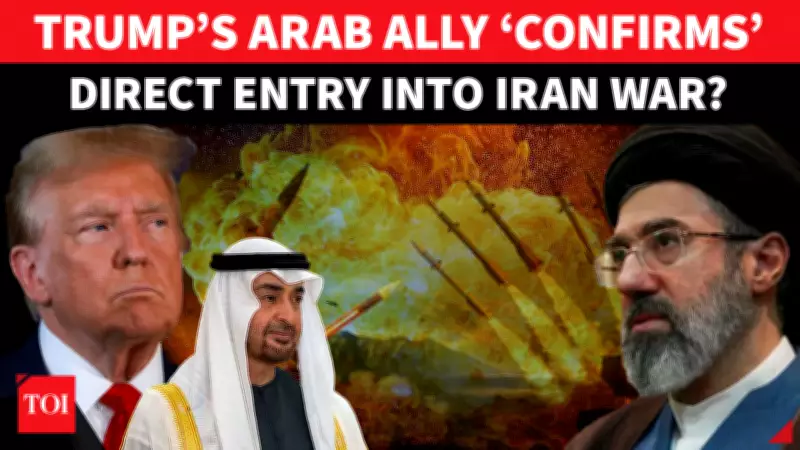
UAE Pledges Support for International Coalition to Secure Critical Strait of Hormuz
In a significant geopolitical development, the United Arab Emirates has formally signaled its willingness to participate in a United States-led international effort to ensure the security and freedom of navigation through the Strait of Hormuz. This strategic waterway is one of the world's most critical maritime chokepoints, handling approximately one-fifth of global oil shipments and a substantial portion of liquefied natural gas exports.
Official Statement Highlights Regional Security Concerns
UAE presidential adviser Anwar Gargash publicly stated that Abu Dhabi is prepared to engage in coordinated action with international partners to safeguard the vital sea lane. This declaration comes amid escalating tensions and repeated threats from Iran to disrupt maritime traffic in the region, which have raised serious concerns about the safety of commercial shipping routes.
The Strait of Hormuz serves as a lifeline for global energy markets, with millions of barrels of oil transiting daily from Gulf producers to consumers worldwide. Any significant disruption could trigger severe economic repercussions, including spikes in oil prices and supply chain bottlenecks.

Context of Rising Iran-UAE Tensions
The UAE's announcement follows a series of provocative actions and statements from Iranian officials regarding the strategic waterway. Iran has previously threatened to close the strait in response to international sanctions or military confrontations, leveraging its geographical position to exert pressure on global energy security.
Regional analysts note that the UAE's alignment with US security initiatives represents a calculated move to counter Iranian influence and protect its own economic interests, given the Emirates' reliance on unimpeded maritime trade for oil exports and import logistics.
Potential Implications for Global Energy Security
The formation of an international coalition, potentially including Gulf allies, European nations, and Asian energy importers, could involve:
- Enhanced naval patrols and surveillance in and around the Strait of Hormuz
- Intelligence-sharing mechanisms to monitor and deter hostile activities
- Diplomatic efforts to de-escalate tensions through multilateral dialogue
- Contingency planning for emergency response to maritime incidents
Such measures aim to reassure global markets and shipping companies that the critical passage remains secure despite the volatile security environment.
Broader Regional Security Dynamics
This development occurs within the complex tapestry of Middle Eastern geopolitics, where the UAE and Iran have experienced fluctuating relations marked by both cooperation and confrontation. The Emirates' stance may influence other Gulf Cooperation Council members, potentially shaping a unified regional approach to maritime security challenges.
The United States has historically maintained a strong naval presence in the region, with the Fifth Fleet headquartered in Bahrain. A coordinated international effort would likely build upon existing security frameworks while incorporating broader participation from global stakeholders dependent on Hormuz transit.
As the situation evolves, the international community will closely monitor Iran's response and the practical implementation of security measures to ensure this essential artery of global commerce remains open and protected against threats of disruption.






