

UPSC Aspirant's Father Killed in Highway Crash, Family Accuses NHAI of Negligence
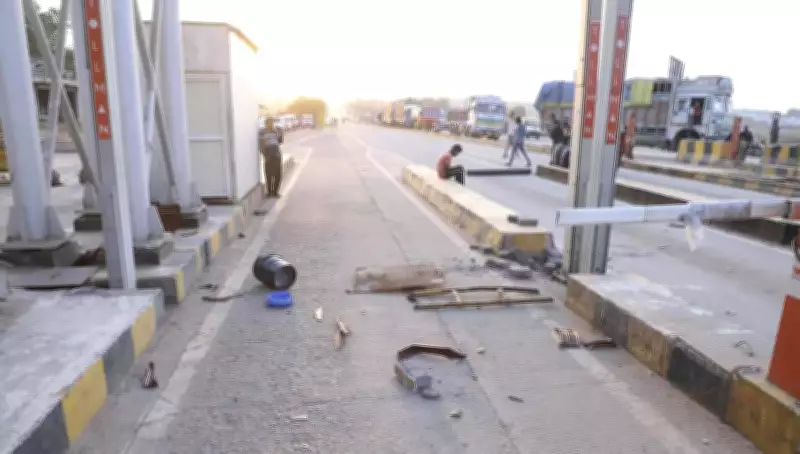
In a tragic incident that has sparked outrage over road safety, Monika Pal, a 27-year-old Physics graduate from Delhi University and a UPSC aspirant, is demanding accountability after her father, Bhopal Singh, died in a late-night highway crash on NH-34. The accident occurred near the Bhaguwala toll plaza on the Najibabad–Haridwar stretch, and Pal has filed a formal grievance against the National Highways Authority of India (NHAI), alleging that poor safety measures transformed the construction site into what she describes as a "death trap."
Grievance Filed Against NHAI Highlights Safety Failures
On March 9, Pal submitted a complaint through the government's public grievance portal, CPGRAMS, accusing NHAI of negligence in maintaining safety near the toll plaza. She stated that her father's death on March 5 was a direct result of "negligence and poor maintenance of the highway construction site." According to Pal, the diversion consisted of heavy stone blocks and iron barricades that effectively formed a "solid wall" instead of energy-absorbing safety barriers, making it extremely hazardous for motorists.
Singh, 57, was riding his motorcycle when he crashed into these barricades shortly after crossing the Bhaguwala toll plaza. The post-mortem examination confirmed he died from severe head trauma, with additional injuries including a skull fracture and deep lacerations. Pal emphasized in her grievance, "The current setup is a death trap that has already claimed my father's life," urging immediate corrective action to prevent further tragedies.

NHAI Response and Safety Guidelines Under Scrutiny
In response to the allegations, NHAI's deputy general manager (technical), Ravi Prakash, highlighted that highway construction sites are required to adhere to safety guidelines set by the Indian Roads Congress (IRC). These guidelines mandate the use of speed-limit signage, traffic cones, reflective boards, night-visibility markers, and "men at work" signs at diversions. Prakash stated, "There are IRC guidelines and agreements that contractors have to follow for road safety," suggesting that lapses may occur at the implementation level.
A senior NHAI official in Delhi, speaking anonymously, acknowledged potential gaps between guidelines and ground reality. The official explained, "Guidelines exist, but contractors work for profits, and temporary traffic management arrangements like diversions are not always treated as a core part of construction work." This often stems from contractors bidding aggressively for projects and later cutting costs during execution, compromising safety measures.
Family's Emotional and Financial Devastation
The tragedy has left Pal's family in profound emotional and financial distress. Upon receiving news of the accident, Pal, along with her mother and two younger brothers, rushed to the district hospital in Bijnor, only to find that Singh had already passed away by midnight. The loss has not only shattered the family emotionally but also created uncertainty about their future, as Singh was a primary breadwinner.
This incident underscores broader concerns about highway safety in India, particularly at construction sites. For locations with repeated fatal accidents, NHAI may classify them as "black spots," prompting inspections and recommendations for corrective measures. However, Pal's case highlights the urgent need for stricter enforcement of safety protocols to prevent such avoidable deaths.
As the family seeks justice, this story serves as a stark reminder of the human cost of infrastructural negligence and the critical importance of adhering to safety standards on India's highways.






