

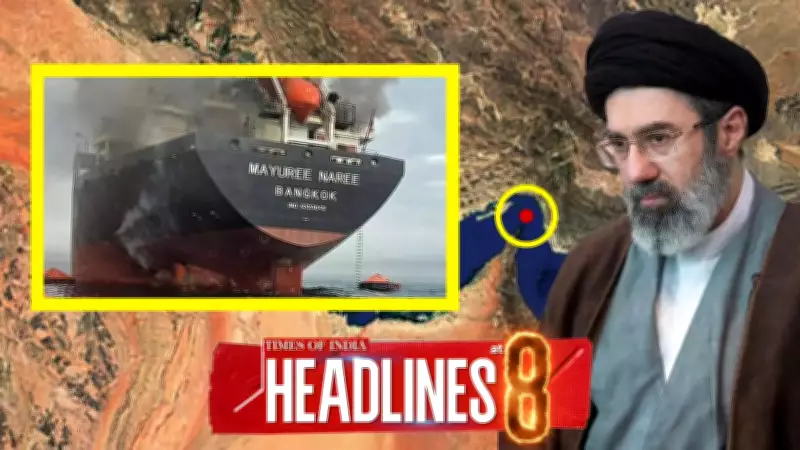
US Military Destroys Iranian Naval Vessels in Strait of Hormuz Amid Rising Tensions
In a dramatic escalation of maritime conflict, the United States Navy has confirmed the destruction of sixteen Iranian ships that were actively deploying naval mines in the strategically vital Strait of Hormuz. This decisive military action comes as the region faces heightened instability, with a separate attack on a Thai cargo vessel adding to the crisis.
Thai Cargo Ship Targeted in Suspected Projectile Attack
Explosive tensions have gripped the Strait of Hormuz following a direct assault on a Thai-flagged cargo ship. The vessel was struck by suspected projectiles, resulting in significant flames and leaving three crew members missing. According to the Royal Thai Navy, twenty sailors have been successfully rescued from the damaged ship, while intensive search operations continue for the remaining three individuals. The attack has raised immediate concerns about the safety of commercial shipping in one of the world's most crucial maritime corridors.
Iran's Mine-Laying Operation and Trump's Stern Warning
Alarming intelligence reports indicate that Iran had initiated a dangerous operation to lay naval mines throughout the Strait of Hormuz. This waterway serves as a critical artery for global oil transportation, carrying a substantial share of the world's petroleum supply. In response to this provocative move, former US President Donald Trump issued a stark warning to Tehran, demanding the immediate removal of all mines and threatening severe consequences if Iran fails to comply. The US military's subsequent destruction of the sixteen Iranian vessels represents a direct enforcement of this ultimatum.

Deepening Political Crisis Within Iran
Meanwhile, Iran's internal political situation continues to deteriorate amidst the escalating regional conflict. Unverified reports suggest that the country's new Supreme Leader, Mojtaba Khamenei, has sustained injuries during the ongoing hostilities. However, Iranian officials have vehemently denied these claims, insisting that Khamenei remains safe and unharmed. This conflicting information highlights the volatile and uncertain nature of Iran's leadership during this period of intense military confrontation.
Global Implications and Regional Security Concerns
The simultaneous events of the US Navy's engagement with Iranian forces and the attack on the Thai cargo ship underscore the severe threats to international maritime security in the Middle East. The Strait of Hormuz's strategic importance cannot be overstated, as any disruption to shipping lanes could have catastrophic effects on global energy markets and economic stability. The involvement of multiple nations, including the United States, Iran, and Thailand, indicates the potential for broader international conflict if tensions are not swiftly de-escalated.
As search efforts for the missing Thai sailors persist and the US maintains its vigilant posture, the international community watches closely. The destruction of Iranian vessels marks a significant military intervention, while the unresolved attack on commercial shipping raises urgent questions about protecting civilian maritime interests in conflict zones.






