

US Orders Diplomatic Staff Evacuation from Pakistan Amid Escalating Iran Tensions
The United States has taken decisive action by ordering the departure of non-emergency staff and family members from its consulates in Lahore and Karachi, citing significant safety risks in the region. This move comes amid rapidly escalating tensions following recent US-Israeli military strikes on Iran and Tehran's subsequent retaliatory actions.
Diplomatic Withdrawals and Security Concerns
In an official statement released on Wednesday, the US Embassy in Pakistan confirmed that the State Department has directed non-essential government personnel to evacuate from the two consular missions. The embassy emphasized that there has been no change in the operational status of the US Embassy in Islamabad, which continues to function normally despite the heightened security alerts.
Separately, Washington has authorized the voluntary departure of diplomatic staff from its missions in Saudi Arabia, Cyprus, and Oman as a precautionary measure. These actions underscore the growing concerns over regional instability and potential threats to American diplomatic personnel across the Middle East.

Background of the Current Crisis
The current conflict was triggered by the killing of Ayatollah Ali Khamenei, the supreme leader of the Islamic Republic of Iran, in US-Israeli strikes that occurred on Saturday. This event has led to widespread unrest and violent protests across several countries, including Pakistan.
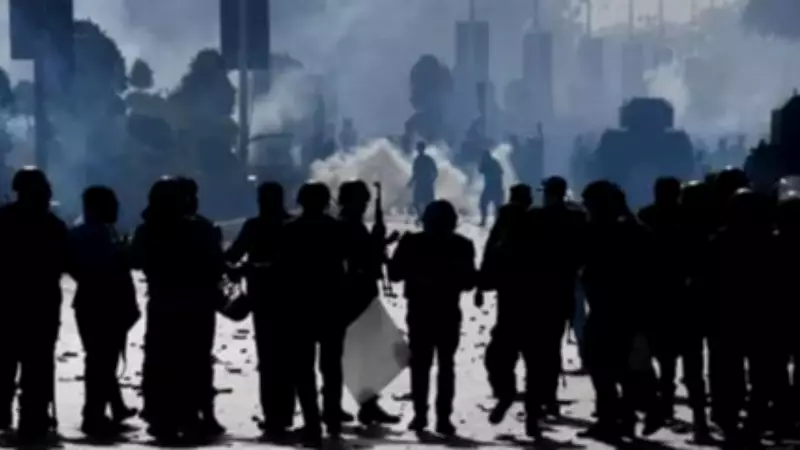
In the aftermath of these strikes, protesters attempted to storm the US Consulate in Karachi and clashed with police outside the diplomatic enclave in Islamabad, where the US Embassy is located. Additionally, United Nations offices in northern cities were attacked, further highlighting the volatile security situation.
According to official reports, at least 34 people were killed and more than 120 others were injured in clashes with security forces during these protests. The violence has raised alarms about the safety of foreign diplomatic missions and international organizations operating in the region.
US Efforts to Assist Citizens
On Tuesday, the State Department announced it was taking historic action to assist American citizens who wish to leave the Middle East and return to the United States. In the past several days, more than 9,000 American citizens have safely returned from the region, including over 300 from Israel, as part of these evacuation efforts.
This large-scale repatriation initiative reflects the US government's commitment to ensuring the safety of its nationals amid the escalating conflict. The department continues to monitor the situation closely and provide updated guidance to Americans in affected areas.
Regional and International Implications
The evacuation orders and ongoing tensions have significant implications for diplomatic relations and regional stability. The conflict between the US, Israel, and Iran has already led to retaliatory strikes, including Iran's launch of a massive missile attack at a US airbase in Bahrain and Israeli bombings in Beirut.
Furthermore, political figures like former US President Donald Trump have criticized European nations, singling out Spain over its stance on the Iran campaign. Meanwhile, within Iran, Mojtaba Khamenei, the son of the slain supreme leader, has emerged as a front-runner to succeed his father, adding another layer of complexity to the crisis.
As the situation continues to evolve, the international community is closely watching for further developments that could impact global security and diplomatic engagements in the Middle East and beyond.






