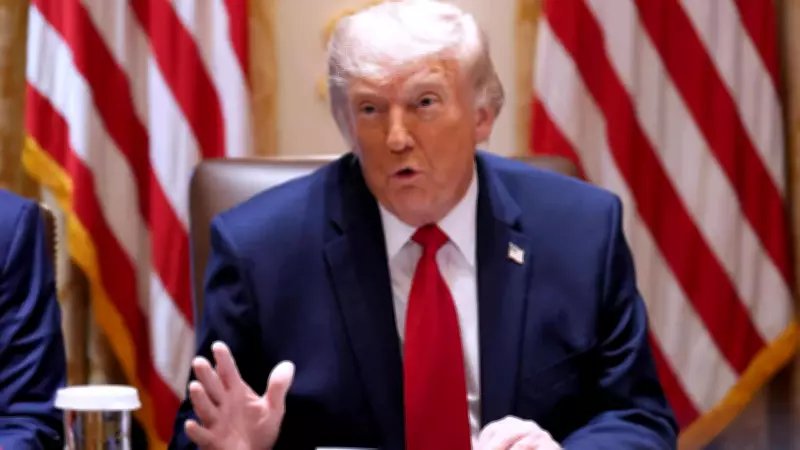
A federal judge has temporarily blocked President Donald Trump's administration from moving forward with a controversial $1.776 billion 'Anti-Weaponization Fund.' U.S. District Judge Leonie Brinkema in Virginia issued an order on Friday barring the administration from 'taking any further action' to establish or operate the fund while ongoing legal challenges are resolved. The judge also prohibited any disbursements from the fund and scheduled a hearing on June 12 to determine whether the temporary block should be extended.
Background of the Fund
The fund was created following Trump's agreement to drop a $10 billion lawsuit against the Internal Revenue Service related to the leak of his tax returns. In exchange, the administration planned to establish a compensation program for individuals who alleged they had been unfairly investigated or prosecuted by what Trump has repeatedly described as a 'weaponized' federal government.
How the Fund Would Operate
The proposed fund would utilize taxpayer money from the federal Judgment Fund, a long-standing government account typically used to pay legal settlements and court-ordered damages. A five-member commission appointed by Attorney General Todd Blanche would determine eligibility for payments. The administration stated that applicants from any political background could apply. However, critics warned that the program could allow compensation claims from January 6 rioters and Trump allies who were prosecuted during previous administrations.

Legal and Political Reactions
The initiative has faced bipartisan criticism in Congress and has been challenged in multiple lawsuits. Judge Brinkema's order halts all actions related to the fund, including any payments, until the legal issues are fully addressed. The upcoming June 12 hearing will be crucial in deciding the fund's fate.
This development marks a significant setback for the Trump administration's efforts to establish a compensation mechanism for those claiming government overreach. The case continues to draw attention as it raises questions about the use of federal funds and the scope of executive authority.