US Justice Department Buckles Under Strain of Immigration Enforcement and Protest Prosecutions
Federal prosecutors across the United States are experiencing unprecedented pressure as the Trump administration's aggressive immigration crackdown and the push to prosecute demonstrators protesting these policies have created a crisis within the nation's justice system. Current and former government lawyers have voiced their exhaustion, with one attorney's public courtroom admission that she was tired and "this job sucks" resonating deeply among her colleagues nationwide.
Overwhelmed Offices and Mass Departures
The strain is particularly acute in cities that have witnessed significant unrest, including Minneapolis, Chicago, and Los Angeles. U.S. attorney offices in these regions are grappling with crippling caseloads, directives from Washington that many find uncomfortable, and a troubling exodus of experienced prosecutors. In Minneapolis alone, the office has seen its attorney count plummet from 55 in January of last year to fewer than 20 currently, with more departures expected in coming weeks.
"You walk down the hallway and you don't even recognize anyone," remarked one person familiar with the Minnesota office, highlighting the staffing crisis that has forced the Justice Department to seek reinforcements from other cities and government agencies, including temporarily assigning military lawyers to handle the overwhelming workload.

Immigration Cases Flood the System
The Minneapolis office has been inundated with more than 500 habeas petitions in just eight weeks following the Trump administration's massive deportation initiative in the Twin Cities area. These legal challenges from immigrants questioning the legality of their detentions have overwhelmed the already understaffed civil division, which is operating at 50% capacity.
Daniel Rosen, Minnesota's Trump-appointed U.S. attorney, acknowledged in a recent court filing that his office "has been forced to shift its already limited resources from other pressing and important priorities" to address what he called the "enormous burden" posed by these immigration petitions. "Paralegals are continuously working overtime. Lawyers are continuously working overtime," Rosen wrote.
National Crisis Extends Beyond Minneapolis
The challenges are not confined to Minnesota. Justice Department leadership recently instructed all 93 U.S. attorneys nationwide to identify prosecutors who can be deployed on short notice as part of "emergency jump teams" to assist with investigating and triaging violent crime cases, particularly assaults on federal law enforcement officers.
Justin Simmons, the U.S. attorney for the Western District of Texas, urgently requested reinforcements to manage the crushing volume of immigrants challenging their detentions in his jurisdiction. While Simmons praised his civil attorneys for "doing their best to manage the caseload," the strain is evident across the system.
Judicial Criticism and Systemic Failures
Several federal judges have criticized the Justice Department for missing deadlines and failing to comply with court orders in numerous cases. U.S. District Judge Jerry Blackwell addressed attorney Julie Le directly during a hearing, stating that being overwhelmed "is not a defense to continued detention. If anything, it ought to be a warning sign."
Justice Department spokeswoman Natalie Baldassarre attributed some of the strain to judges not applying the law properly, while administration officials argue that attorneys are swamped with immigration cases because they are "playing catch-up after lax enforcement under the Biden administration."
Prosecutorial Pressure and Political Dimensions
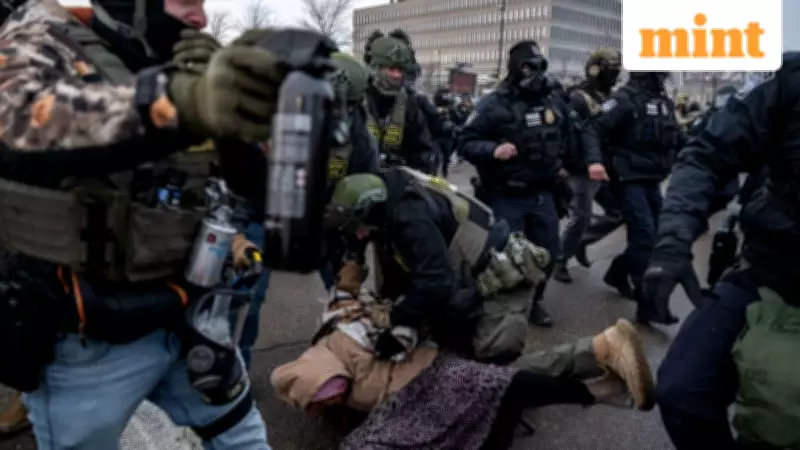
Current and former prosecutors in multiple cities report being under pressure to quickly build cases against demonstrators, often without adequate time to fully examine the facts. Some have chosen to resign rather than bring charges they consider questionable. The loss of institutional knowledge from the exodus of Justice Department lawyers over the past year could take decades to replace, according to one current prosecutor.

The situation has taken on political dimensions, with former Trump administration officials attempting to recruit lawyers who "support President Trump and anti-crime agenda" through social media channels. This approach has drawn criticism from legal scholars who argue that imposing political litmus tests on attorneys hired for career positions undermines the justice system's integrity.
As the Justice Department struggles to maintain its operations under these extraordinary pressures, the fundamental question remains whether the system can withstand the combined weight of immigration enforcement and protest prosecutions without compromising its core functions and professional standards.