West Bengal's Transgender Community Condemns Proposed Rights Amendment Legislation
Members of the transgender and queer communities, alongside prominent gender rights activists across West Bengal, have launched a forceful critique against the Transgender Persons (Protection of Rights) Amendment Bill, 2026. This controversial legislation was formally introduced in the Lok Sabha on March 13, sparking immediate and widespread concern among advocacy groups.
Demands for Withdrawal and Proper Consultation
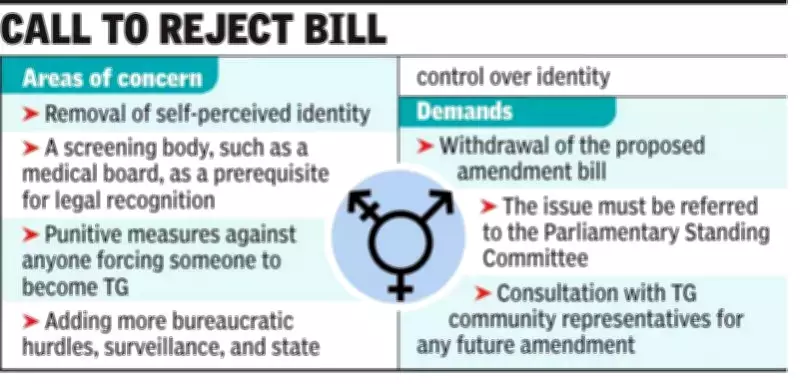
Numerous organizations representing marginalized communities have united in their call for the immediate withdrawal of the proposed bill. They emphasize the critical need for comprehensive and meaningful consultation with all relevant stakeholders before any future amendments to transgender rights legislation are considered. The collective stance is that the current bill was developed without adequate input from the very people it will most directly impact.
Core Conflict: Self-Identification Versus State Scrutiny
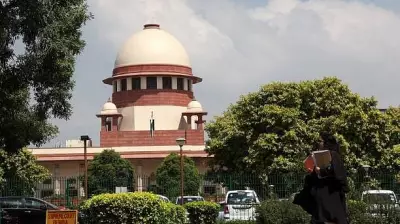
The heart of the opposition lies in a fundamental provision of the amendment. The proposed bill seeks to remove the legal recognition of self-identified gender, a principle that was firmly established and affirmed by the Supreme Court of India in its landmark 2014 National Legal Services Authority (NALSA) v. Union of India judgment. This historic ruling explicitly allows an individual to self-identify with a gender different from the one assigned at birth, recognizing it as a core aspect of personal autonomy and dignity.
"This amendment bill is in clear violation of the Supreme Court judgement. It effectively destroys our identity and jeopardizes our future. This bill must be rejected outright," stated Rahul Mitra, a trans man and community advocate, capturing the sentiment of many.
Introduction of a Screening Committee
A particularly contentious element of the new bill is the introduction of a Screening Committee. The transgender community argues that this committee could enforce what they term surgical gatekeeping and biomedical surveillance. Under the current system, a transgender person applies directly to their District Magistrate (DM) for a transgender certificate. This certificate is crucial, enabling them to officially change their gender on documents and access various government welfare schemes.
The amended process would require applications to first undergo scrutiny by this screening or a medical committee, whose approval would then be necessary before the DM can grant the certificate. Activists fear this creates a system where the state, through medical authorities, monitors and judges an individual's gender identity based on biomedical criteria, rather than respecting personal declaration.
Community Voices and Fears of Regression
At a media conference organized by the Queer Trans Collective in Kolkata on Monday, community members voiced their profound concerns. They stressed that the right to self-identify is central to the dignity and autonomy of transgender persons. Diluting this right, they argue, would represent a significant rollback of one of the most important legal protections secured by the community in recent history.
Gender and rights activist Bappaditya Mukherjee highlighted the potential human cost, stating, "In the last decade, we have witnessed transgender youth step into the mainstream—pursuing education, working as nurses, doctors, lawyers, and even pilots, and building families with dignity. Even the existing 2019 Act is still being fully implemented across departments. Any rollback now would be devastating for a generation of trans youth who have only just begun to believe that the Constitution protects their identity."
Organized Opposition and Constitutional Concerns
The Transgender Adhikar Sanghati Manch has officially declared that the proposed amendments risk diluting the constitutional protections affirmed by the Supreme Court via the NALSA judgment. In response, the organization, along with a broad coalition of transgender community members and allied voices, is planning a series of activities and protests. Their unified demand is clear: the proposed amendment must be rolled back to protect the hard-won rights and recognition of India's transgender citizens.