X Platform Advocates for Satire and Free Speech in Delhi High Court Case
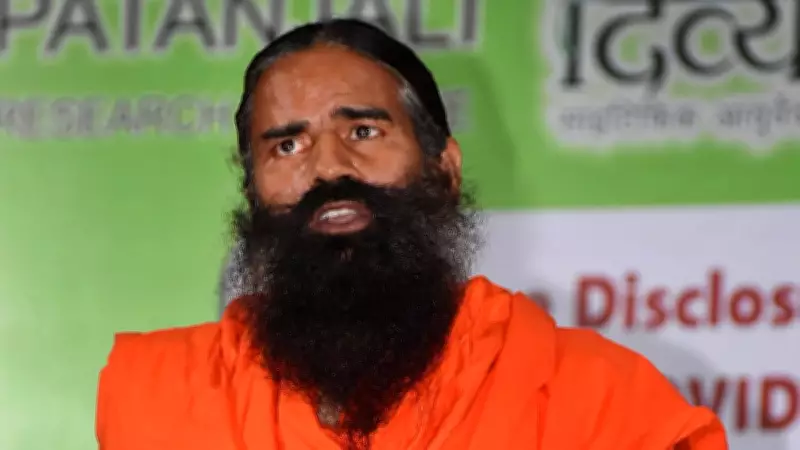
In a significant legal development, the X Platform has presented arguments before the Delhi High Court, emphasizing the critical need to protect satire and free speech. This stance comes in response to a plea filed by yoga guru and entrepreneur Baba Ramdev, who has raised concerns over the alleged large-scale misappropriation and commercial exploitation of his personality, image, and identity across various online and social media platforms.
Baba Ramdev's Allegations of Personality Rights Violation
Baba Ramdev has formally approached the Delhi High Court, asserting that his personality rights are being extensively violated. He claims that his image and identity are being misused for commercial gains without his consent, particularly on digital platforms. This includes unauthorized use in advertisements, memes, and other content that potentially damages his reputation and infringes on his intellectual property.
The plea highlights the growing challenges faced by public figures in the digital age, where their personas can be easily exploited for profit or satire. Ramdev's legal team argues that such actions not only harm his brand but also set a dangerous precedent for the protection of personality rights in India.
X Platform's Defense of Free Speech and Satirical Expression
In its response, the X Platform has strongly defended the principles of free speech and satire, stating that these are fundamental rights that must be safeguarded in a democratic society. The platform contends that satire serves as a vital tool for social commentary and criticism, often targeting public figures like Ramdev to highlight issues or provoke thought.
The X Platform argues that overly restrictive measures on such expressions could stifle creativity and dissent, undermining the essence of free speech. They emphasize that while personality rights are important, they must be balanced against the broader public interest in maintaining open discourse and artistic freedom.
Legal and Social Implications of the Case
This case raises pivotal questions about the intersection of personality rights, free speech, and digital media regulation in India. Key points include:
- The definition and scope of personality rights under Indian law, especially for celebrities and public figures.
- The role of social media platforms in moderating content that may infringe on these rights while upholding free speech.
- The impact of such legal battles on the future of online expression and satire in the country.
Experts suggest that the Delhi High Court's ruling could set a precedent for how similar cases are handled, influencing both legal frameworks and social media policies. The outcome may also affect how other public figures approach the protection of their image and identity in the digital sphere.
Broader Context and Future Developments
The dispute between Baba Ramdev and the X Platform is part of a larger global conversation about the limits of free speech and the protection of intellectual property online. As digital platforms continue to evolve, such conflicts are likely to become more frequent, necessitating clear legal guidelines.
Stakeholders, including legal experts, digital rights activists, and the entertainment industry, are closely watching this case. They anticipate that it will provide much-needed clarity on balancing individual rights with collective freedoms in the internet age.
As the proceedings continue, both sides are expected to present further evidence and arguments. The Delhi High Court's decision will be crucial in shaping the landscape of free speech and personality rights in India for years to come.