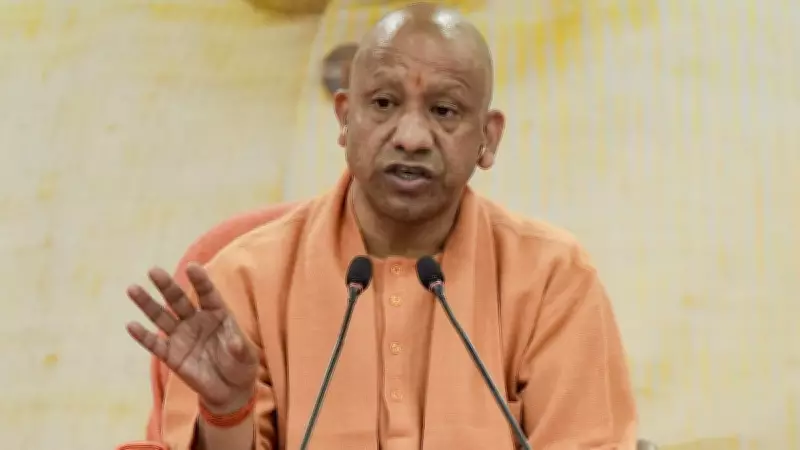
Uttar Pradesh Chief Minister Yogi Adityanath has ignited a fresh debate over police encounters in the state with his pointed rhetorical question: "If the police don't fire, should they get shot instead?" His comments come at a critical juncture, just days after the Allahabad High Court issued a sharp rebuke regarding the alarming rise in incidents where police officers shoot accused individuals in the legs during alleged encounters.
High Court's Stern Warning and Political Backlash
The Allahabad High Court recently expressed deep concern over what it described as a disturbing trend in Uttar Pradesh, where encounters have become increasingly common. The court highlighted specific cases where police actions were questioned, emphasizing the need for accountability and adherence to legal procedures. This judicial intervention has put the state government's law and order policies under intense scrutiny, with critics arguing that such encounters undermine the rule of law and human rights.
Yogi Adityanath's Firm Stance on Police Action
In response to the high court's observations, Chief Minister Yogi Adityanath defended the police force, framing his argument around the inherent risks officers face in the line of duty. He stated, "Our police personnel are often in life-threatening situations where they must make split-second decisions to protect themselves and the public. Asking them not to fire in self-defense is akin to putting their lives in jeopardy." Adityanath's remarks reflect his administration's tough stance on crime, which has been a cornerstone of his governance since taking office.

Political analysts note that this is not the first time Adityanath has vocalized support for aggressive policing measures. Under his leadership, Uttar Pradesh has reported a significant number of encounters, with authorities claiming they are necessary to combat hardened criminals and maintain public safety. However, human rights organizations and opposition parties have repeatedly raised alarms, citing instances of alleged extrajudicial killings and calling for independent investigations.
Broader Implications for Law Enforcement in India
The controversy surrounding police encounters in Uttar Pradesh touches on broader issues within India's criminal justice system. Experts point out that while police have the right to use force in certain circumstances, it must be proportionate and within legal bounds. The high court's rebuke serves as a reminder of the judiciary's role in checking potential overreach by law enforcement agencies.
Moreover, this development raises questions about the balance between effective policing and civil liberties. As debates rage on, stakeholders from various sectors—including legal experts, activists, and policymakers—are calling for clearer guidelines and stricter oversight to prevent misuse of power. The situation in Uttar Pradesh is being closely watched as a test case for how other states might handle similar challenges.
Public Reaction and Future Outlook
Public opinion in Uttar Pradesh appears divided, with some citizens applauding the government's hardline approach for reducing crime rates, while others express concern over potential abuses. Social media platforms have been abuzz with discussions, highlighting the polarized nature of the issue. Moving forward, all eyes will be on how the state government addresses the high court's concerns and whether any policy adjustments are made to ensure both security and justice.
In conclusion, Yogi Adityanath's defiant comments underscore the ongoing tension between aggressive law enforcement strategies and judicial oversight. As Uttar Pradesh navigates this complex landscape, the outcomes could have lasting implications for policing norms across India, shaping the discourse on safety, rights, and governance in the years to come.