Delhi Police Arrests Youth in Bhubaneswar for Alleged Radical Social Media Activity
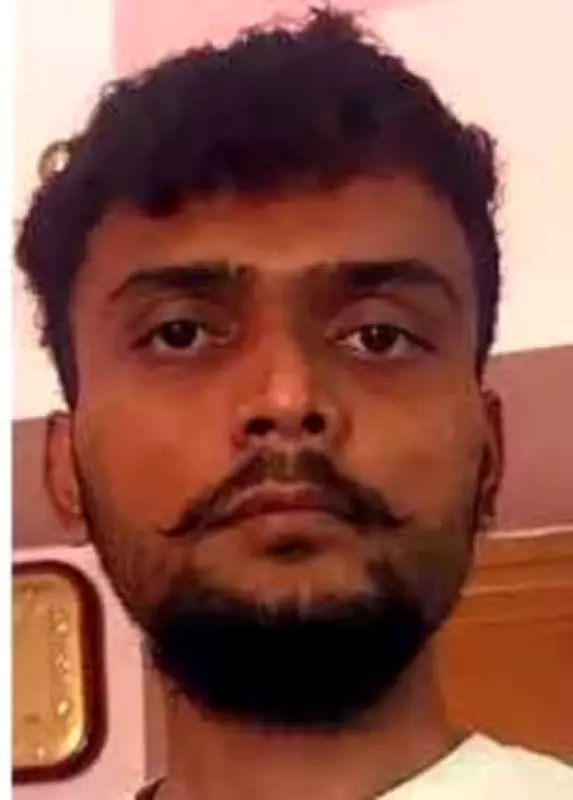
In a significant development, a team from the Delhi Police Special Cell, with crucial assistance from the Bhubaneswar city police, has arrested a youth named Sheikh Imran in the capital city of Odisha. The arrest was made on Friday from the Unit-VI area of Bhubaneswar, following allegations that Imran was actively involved in spreading radical content on various social media platforms. Authorities claim this content was specifically designed to influence and radicalize young individuals against the nation of India.
Ongoing Probe Uncovers Odisha Link
This law enforcement action is part of an extensive and ongoing investigation being conducted by the Special Cell and cyber units of the Delhi Police into suspicious social media activities linked to radicalization efforts. Just one week prior to this arrest, the Special Cell had already detained a group of young boys in Delhi in connection with similar posts and exchanges on popular social media platforms.
During the interrogation of those individuals detained in Delhi and a thorough analysis of their social media activities, investigators uncovered critical digital links that pointed directly towards Odisha. Acting swiftly on this vital lead, the Delhi Police team coordinated with the Bhubaneswar city police to locate and apprehend Imran, demonstrating effective inter-state police cooperation.

Profile of the Accused and Alleged Network
According to official police statements, Sheikh Imran is described as an unemployed youth who was allegedly functioning as an active member of a radical network. This network is reported to operate through encrypted and closed social media groups, utilizing platforms such as WhatsApp and Signal to circulate radical material with a distinct religious tone.
"Delhi Police successfully identified the link to Odisha and played a key role in assisting with the location and apprehension of the youth," stated Twin Cities Police Commissioner S Dev Datta Singh, highlighting the collaborative effort between the two police forces.
Legal Proceedings and Security Concerns
Following his apprehension in Bhubaneswar, Imran was promptly produced before a local court. The court granted transit remand to the Delhi Police, allowing them to transport him to Delhi for further questioning and investigation. Police authorities have alleged that the content shared within these closed groups was deliberately aimed at influencing impressionable young minds and poses a serious threat to national security.
"During his interrogation in Delhi, we aim to uncover his antecedents, past activities, and identify any individuals associated with him in Bhubaneswar," explained a police officer involved in the operation, indicating that the investigation is focused on mapping the entire network.
Broader Investigation and Digital Forensics
Sources familiar with the probe have revealed that this investigation has already led to the detention of several persons in Delhi. The questioning of these initial suspects provided crucial information that helped police identify Imran's alleged role within the wider radical network. Currently, investigators are meticulously examining his digital devices, social media accounts, and comprehensive communication records.
The primary objectives of this digital forensic analysis are to trace the broader chain of contacts involved in this activity and to determine conclusively whether more individuals were participating in or supporting this alleged radical network. This case underscores the ongoing challenges law enforcement faces in monitoring and countering radicalization efforts conducted through digital and social media channels.