

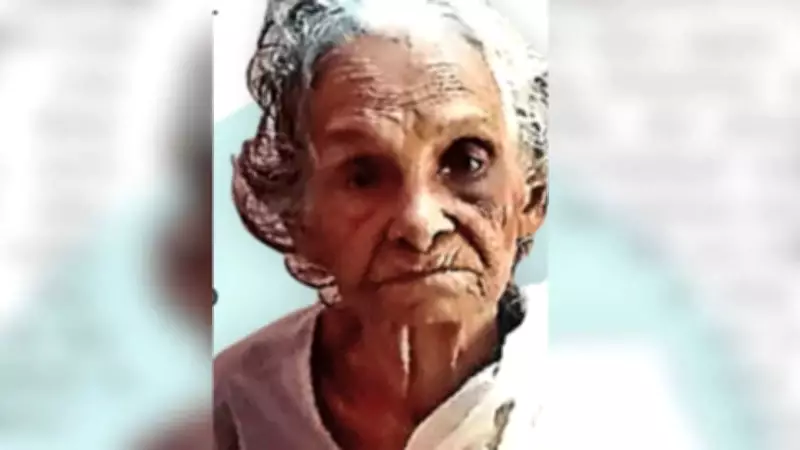
At 104, Kerala's Bhagirathi Pillai Remains a Living Chronicle of Democratic History
In the quiet village of Sasthamkotta in Kollam district, Kerala, Bhagirathi Pillai stands as a remarkable testament to India's democratic evolution. At 104 years old, she holds the unique distinction of having cast her vote in Kerala's inaugural assembly election and continues to participate actively in the electoral process to this day. Her life story intertwines with the state's political narrative, offering a rare, firsthand perspective on how democracy has transformed over nearly seven decades.
From Radio Broadcasts to Breaking Barriers: The Early Years
As a young Congress worker, Bhagirathi's political consciousness was profoundly shaped by the speeches of Jawaharlal Nehru, which she listened to on the radio. "In those days, leaders spoke passionately about nationhood and the solemn duty of citizens to build an egalitarian society," she recalled. "That powerful messaging inspired us to question practices that undermined democratic values and to envision a more just future."
During an era when women were largely confined to domestic spheres, Bhagirathi courageously broke societal barriers. She stepped out to vote at a local LP school, setting a powerful example. Not content with personal participation, she actively encouraged other young women to engage in the electoral process. "Girls were not even permitted to come to the front veranda of the house then," she noted. "But our Prime Minister and other visionary leaders championed equal participation in nation-building. That period fundamentally altered our lives and expanded our horizons."

The Charged Atmosphere of 1950s Elections: A Personal Touch
Bhagirathi vividly remembers the electrifying atmosphere surrounding the elections of the 1950s. "It was a time of immense excitement and hope," she said. "We felt we were integral participants in something monumental, part of a sweeping change unfolding around us." Campaigning during that era was deeply personal and community-driven. Candidates traveled extensively through villages using loudspeakers to communicate their ideas directly to the people. To facilitate voting, bullock carts were organized to transport voters to polling booths.
"During that very first election, I did not wait for the bullock cart," Bhagirathi recounted with pride. "I walked to the booth on my own, driven by a sense of duty and anticipation." This act of independence symbolized the burgeoning spirit of democratic engagement among women in post-independence India.
Witnessing the Shift: From Personal Interaction to Digital Campaigning
Over the decades, Bhagirathi has observed a significant transformation in electioneering practices. While she acknowledges the undeniable advantages brought by modern technology, she expresses concern over its impact on the quality of democratic engagement. "Earlier, leaders would come to our homes and speak to us directly, fostering a genuine connection," she explained. "Now, much of the communication happens through mobile phones and television screens. Technology is necessary for progress, but to truly understand the aspirations and concerns of voters, you need that personal, face-to-face interaction."
This reflection highlights a broader sentiment about the evolution of political campaigns from grassroots, community-centric efforts to more mediated, mass-communication strategies.
An Unwavering Commitment to Vote, Despite Age and Health
Despite her advanced age and recent health challenges, Bhagirathi's resolve to exercise her franchise remains unshaken. While walking long distances is no longer feasible, she has devised a practical plan. "I intend to hire an autorickshaw and reach the polling station early in the morning," she stated determinedly.
Her enduring commitment stems from the foundational lessons imparted by the leaders of her youth. "We are still voting because of the principles we learned from our leaders then," she affirmed. However, she also voices a poignant sense of loss, missing the spirit of equality, progressiveness, and collective purpose that characterized the early, formative years of Indian democracy.

Bhagirathi Pillai's journey is more than a personal milestone; it is a living archive of Kerala's—and India's—democratic saga. Her experiences bridge a century of political change, reminding us of the power of the vote and the evolving relationship between citizens and their representatives.





