

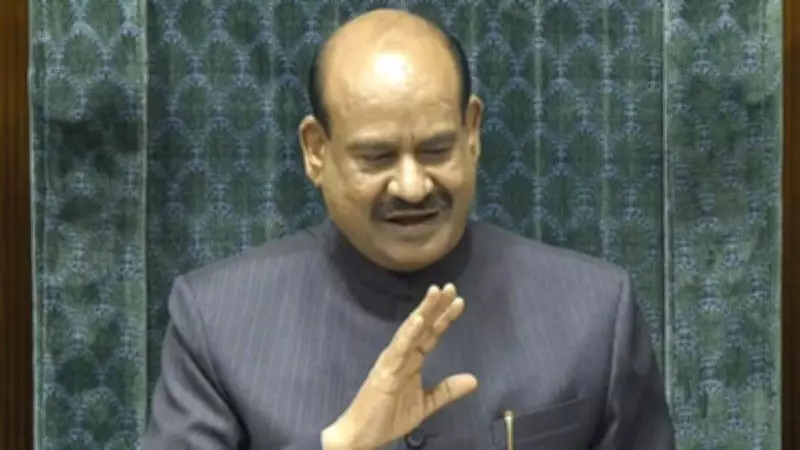
119 Opposition MPs Move to Oust Om Birla as Lok Sabha Speaker
In a significant political development, a coalition of 119 Members of Parliament from various opposition parties has formally submitted a notice seeking the removal of Om Birla from his position as the Speaker of the Lok Sabha. This move underscores escalating tensions within the Indian parliamentary system, as lawmakers voice growing dissatisfaction with the conduct and neutrality of the presiding officer.
Grounds for the Removal Notice
The notice, filed under parliamentary rules, alleges that Om Birla has failed to maintain impartiality during proceedings, particularly in handling debates and ensuring fair representation for all parties. Opposition MPs have raised concerns over alleged bias in granting speaking time and managing disruptions, which they claim undermines the democratic ethos of the House. This action follows a series of contentious sessions where accusations of partiality have been leveled against the Speaker, prompting calls for accountability.
Parliamentary Procedures and Implications
According to established protocols, the notice for removal must be supported by at least 50 MPs to be considered valid, a threshold that has been comfortably met in this instance. The process now involves a potential discussion and vote in the Lok Sabha, which could lead to a formal motion for Birla's ouster if the opposition garners sufficient support. This development highlights the deepening rift between the ruling party and opposition factions, with implications for legislative productivity and political stability.

Reactions and Broader Context
Responses to the notice have been polarized, with ruling party members defending Birla's tenure as Speaker, citing his efforts to streamline proceedings and uphold parliamentary decorum. In contrast, opposition leaders argue that his actions have eroded trust in the institution, necessitating this unprecedented step. This incident reflects broader trends in Indian politics, where parliamentary dynamics are increasingly influenced by partisan conflicts, raising questions about the future of bipartisan cooperation and governance.
As the situation unfolds, all eyes are on the Lok Sabha to see how this removal notice will be addressed, with potential ramifications for upcoming legislative sessions and the overall functioning of India's democratic framework.






