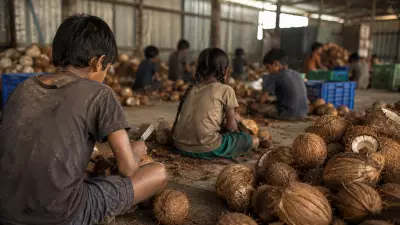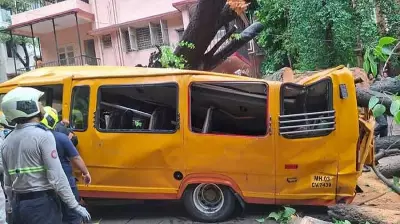
Seven out of ten children in India missed school due to extreme heat during May and June 2026, a new report has revealed. The survey, conducted by a leading child rights organization, gathered responses from 3,096 school-going children aged 10 to 17 years across 27 states and Union Territories.
Widespread Impact of Heatwaves on Education
The report highlights the severe disruption caused by heatwaves, with 70% of respondents reporting missed school days. The highest absenteeism was recorded in central and northern India, where temperatures frequently exceeded 45°C. Many children cited health issues such as headaches, dehydration, and exhaustion as reasons for staying home.
According to the report, the situation was particularly acute in states like Rajasthan, Uttar Pradesh, and Madhya Pradesh, where over 80% of children missed school at least once. In contrast, southern states like Kerala and Tamil Nadu reported lower but still significant rates of around 50%.

Health and Safety Concerns
The extreme heat not only kept children away from school but also posed serious health risks. The report noted that many schools lack adequate cooling facilities, such as fans or air conditioning, and some even lack access to clean drinking water. A 14-year-old respondent from Bihar said, "The classroom was like an oven. I couldn't concentrate and felt dizzy, so I stopped going."
Child rights activists have called for urgent action, including adjusting school timings to cooler hours, providing heat-safe infrastructure, and issuing early warnings. The report recommends that the government declare a heatwave emergency and integrate heat action plans into the education system.
Call for Policy Changes
The findings come as India faces more frequent and intense heatwaves due to climate change. The report urges the Ministry of Education to collaborate with meteorological departments to create a heatwave response framework for schools. It also emphasizes the need for community awareness programs to help parents and children recognize heat-related illnesses.
As of now, the government has not issued a formal response to the report. However, education experts stress that without intervention, the learning loss could worsen, particularly for marginalized communities. The report concludes that protecting children from extreme heat is not just a health issue but a fundamental right to education.