

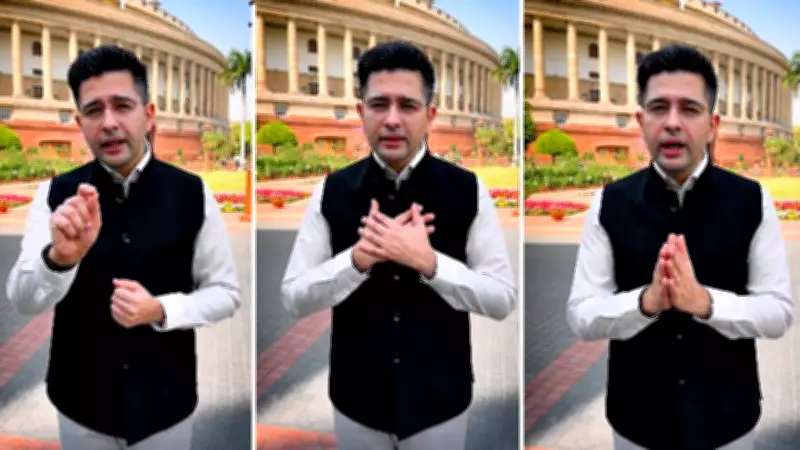
AAP's Strategic Split with Raghav Chadha: Unpacking the Political Calculus
The Aam Aadmi Party's recent separation from its prominent leader, Raghav Chadha, has sent ripples through India's political landscape. This move, far from being a simple internal reshuffle, is rooted in deep-seated strategic anxieties and electoral calculations. According to insiders and political analysts, the decision was primarily fueled by the party's growing wariness about Chadha's perceived proximity to the Bharatiya Janata Party and apprehensions that his influence could be exploited in the volatile arena of Punjab politics.
The Core Concern: Perceived Proximity to BJP
At the heart of this political breakup lies a critical perception issue. Raghav Chadha, known for his articulate defense of AAP policies and his role as a spokesperson, was increasingly viewed within certain party circles as having connections that edged too close to the BJP. This perception, whether based on personal associations, ideological overlaps, or strategic posturing, became a source of significant discomfort for AAP's leadership.
The party's apprehension was not merely about optics; it stemmed from a fear that such perceived alignment could dilute AAP's distinct political identity, especially in states where it positions itself as a direct challenger to the BJP. In an era where political messaging is paramount, maintaining clear ideological boundaries is considered essential for electoral credibility.

Punjab Elections: The Catalyst for Action
The timing and context of this split are inextricably linked to the upcoming Punjab elections. Punjab represents a crucial battleground for AAP, where it has invested considerable political capital and aims to consolidate its governance model. The party's leadership expressed acute anxiety that Raghav Chadha could become a focal point or a tool used by opponents to sway electoral dynamics.
Sources indicate that there were specific concerns Chadha might be leveraged to:
- Create internal divisions within AAP's Punjab unit.
- Confuse voters by blurring party lines through targeted campaigns.
- Undermine AAP's narrative of being a clean alternative to traditional parties.
This preemptive move is seen as an effort to neutralize any potential disruption and safeguard AAP's electoral prospects in the state.
Broader Implications for AAP's Strategy
This development underscores a broader strategic tightening within the Aam Aadmi Party as it navigates India's complex political terrain. The decision to part ways with a high-profile figure like Chadha signals a prioritization of party discipline and ideological coherence over individual star power. It reflects a calculated risk, balancing the loss of a capable communicator against the perceived threat of compromised political positioning.
Furthermore, this episode highlights the intense scrutiny and internal vetting processes within political parties as they prepare for high-stakes elections. The focus on Punjab, a state with significant political and economic weight, amplifies the sensitivity of such decisions.
In conclusion, the breakup between AAP and Raghav Chadha is a multifaceted political maneuver driven by strategic foresight and electoral caution. It illustrates how perceived alliances and individual roles are meticulously evaluated against the backdrop of regional politics, with party interests often taking precedence in the relentless pursuit of electoral success.






