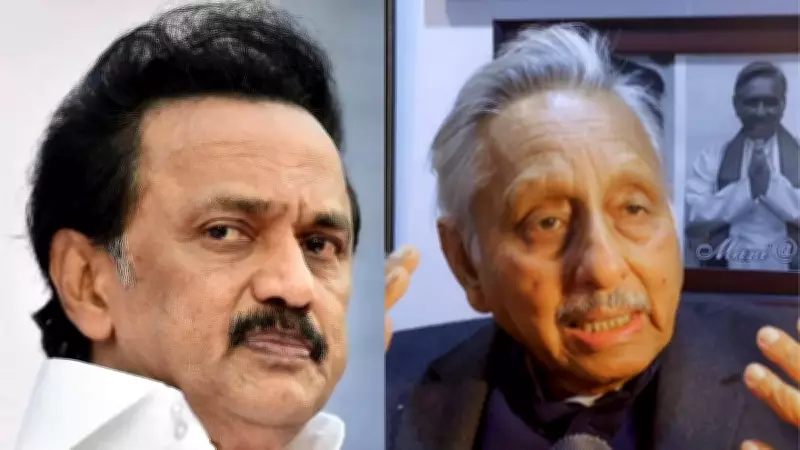
Congress Veteran Mani Shankar Aiyar Proposes MK Stalin for INDIA Bloc Leadership Role
In a significant political development, senior Congress figure Mani Shankar Aiyar has publicly advocated for Tamil Nadu Chief Minister MK Stalin to assume the pivotal position of convenor within the opposition INDIA bloc. Aiyar's remarks have sparked immediate reactions across the political spectrum, highlighting ongoing discussions about leadership and strategy within the coalition of opposition parties.
Congress Party Issues Swift Clarification and Distancing Statement
The Congress party moved quickly to distance itself from Aiyar's comments, issuing an official statement that clarifies his current status within the organization. According to the party, Mani Shankar Aiyar has had no formal connection whatsoever with the Congress for the past several years. The statement emphasizes that he now operates and expresses views purely in his personal capacity, without any endorsement or authorization from the party leadership.
This distancing underscores the sensitive nature of leadership discussions within the INDIA bloc, which comprises multiple regional and national parties aiming to present a united front in upcoming elections. The Congress's response suggests a cautious approach to public statements that could influence internal coalition dynamics or public perception.

Analysis of MK Stalin's Potential Candidacy for Convenor Position
MK Stalin, as the Chief Minister of Tamil Nadu and leader of the Dravida Munnetra Kazhagam (DMK), brings substantial political weight to the table. His potential role as convenor of the INDIA bloc would involve:
- Coordinating strategy among diverse opposition parties
- Facilitating communication and consensus-building on key issues
- Representing the coalition in public forums and media interactions
- Overseeing electoral planning and resource allocation for alliance candidates
Aiyar's endorsement highlights Stalin's experience in coalition politics and his successful governance record in Tamil Nadu, which could translate into effective leadership for the national opposition alliance. However, such appointments typically require extensive negotiations and approval from all member parties within the bloc.
Broader Implications for Indian Opposition Politics
This episode reveals several important aspects of contemporary Indian politics:
- The evolving nature of political alliances, where regional leaders like MK Stalin are gaining prominence in national coalitions
- The challenge of maintaining discipline within large political parties when former members make public statements
- The strategic calculations behind leadership selection in multi-party opposition fronts
- The media and public relations dimension of political positioning ahead of election cycles
The INDIA bloc, formed by opposition parties to contest against the ruling coalition, continues to navigate complex questions of leadership, ideology, and electoral strategy. While Aiyar's comments represent one perspective, the actual decision about convenor appointments will likely involve careful deliberation among all participating parties.
As the political landscape evolves, such discussions about leadership and coalition management will remain crucial for opposition unity and effectiveness. The Congress party's quick response to distance itself from Aiyar's remarks demonstrates the importance of maintaining clear messaging and organizational boundaries in this competitive environment.