

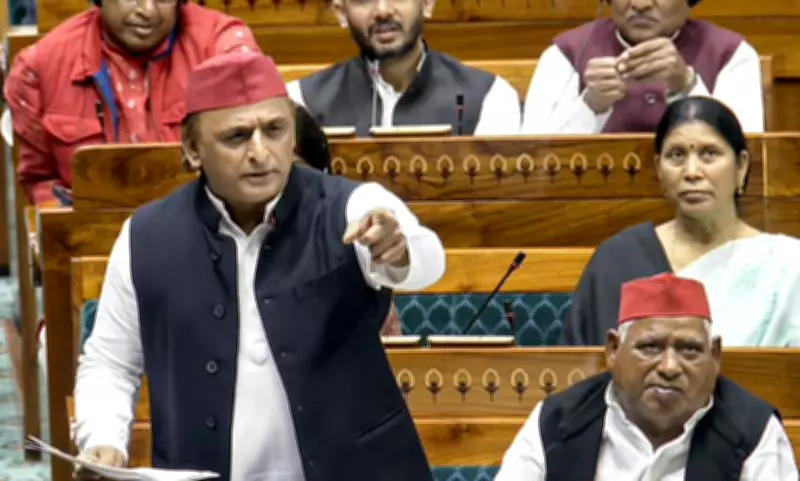
Akhilesh Yadav Launches Scathing Attack on Union Budget
Samajwadi Party (SP) chief Akhilesh Yadav has strongly criticized the Union Budget, describing it as lacking vision and failing to address the pressing needs of farmers and the youth. In a recent statement, Yadav expressed deep disappointment with the government's financial plan, arguing that it does not provide adequate support for agricultural communities or create sufficient employment opportunities for young Indians.
Concerns Over US Trade Deal Concessions
In addition to his budget critique, Yadav raised significant concerns about potential concessions made by India in the ongoing trade deal negotiations with the United States. He warned that such concessions could negatively impact domestic industries and farmers, urging the government to prioritize national interests in international agreements. Yadav emphasized the need for transparency in trade discussions to ensure that local sectors are not adversely affected.
Political Implications and Broader Context
Yadav's comments come amid heightened political tensions, with opposition parties scrutinizing the government's economic policies. As a key figure in Indian politics, his stance highlights ongoing debates over fiscal priorities and international trade strategies. The Samajwadi Party has consistently advocated for policies that benefit marginalized groups, and Yadav's remarks reinforce this position, calling for a budget that focuses more on social welfare and equitable growth.

Key Points from Akhilesh Yadav's Statement:
- The Union Budget lacks a clear vision for addressing farmer distress and youth unemployment.
- Concessions in the US trade deal could harm domestic industries and agricultural sectors.
- There is a need for greater transparency and protection of national interests in trade negotiations.
- The government should reorient its policies to support social welfare and inclusive development.
This critique underscores the ongoing political discourse in India, where economic policies and international agreements are closely watched for their impact on various segments of society.






