

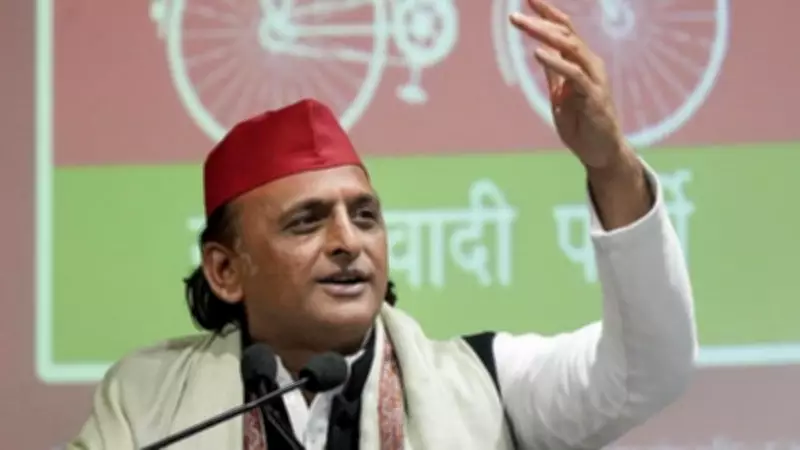
Akhilesh Yadav's PDA Gamble and the Future of Dalit Politics in Uttar Pradesh
In a significant political maneuver, Samajwadi Party leader Akhilesh Yadav has intensified his outreach to Dalit communities through the PDA (Pichhda, Dalit, Alpsankhyak) strategy, marking a pivotal shift in Uttar Pradesh's electoral landscape. This calculated move aims to consolidate support among backward classes, Dalits, and minorities, potentially altering the state's political dynamics as future elections approach.
Historical Context and Strategic Outreach
This is not the first instance of such targeted outreach by the Samajwadi Party. Ahead of the crucial 2022 assembly elections, the party launched the 'Baba Saheb Vahini', a dedicated initiative named in honor of Dr. B.R. Ambedkar, the architect of the Indian Constitution and a revered figure among Dalits. The formation of this vahini (brigade) was a clear attempt to bridge historical gaps and build trust with Dalit voters, who have traditionally been wary of the party's stance.
The current PDA gamble represents an evolution of this strategy, expanding beyond symbolic gestures to a more comprehensive political framework. By explicitly focusing on Pichhda (backward classes), Dalits, and Alpsankhyak (minorities), Akhilesh Yadav is crafting a broad-based coalition that challenges the existing political alignments in Uttar Pradesh, where Dalit votes have often been polarized.

Implications for Dalit Political Representation
The ramifications of this strategic pivot are profound for Dalit politics in India's most populous state. Historically, Dalit political mobilization in Uttar Pradesh has been dominated by parties like the Bahujan Samaj Party (BSP), which built its foundation on Dalit identity. The Samajwadi Party's aggressive PDA outreach signals a potential fragmentation or realignment of Dalit electoral preferences.
Political analysts suggest that if successful, this gamble could:
- Dilute the traditional vote banks of rival parties by attracting Dalit support.
- Foster a new era of coalition politics centered on social justice and inclusion.
- Elevate issues specific to Dalit communities within the broader political discourse of Uttar Pradesh.
However, the strategy faces significant challenges, including overcoming deep-seated historical distrust and addressing the complex socio-economic needs of Dalit populations. The party's ability to translate this outreach into tangible policy benefits and electoral gains will be closely watched in the coming months.
Looking Ahead: Electoral Calculations and Future Prospects
As Uttar Pradesh gears up for future electoral battles, Akhilesh Yadav's PDA gamble is poised to become a central theme. The integration of Dalit politics into the Samajwadi Party's agenda reflects a strategic recognition of their pivotal role in determining election outcomes. This move is not merely about short-term electoral gains but aims to reshape the long-term political narrative in the state.
Observers note that the success of this initiative will depend on sustained engagement, credible leadership from within Dalit communities, and a genuine commitment to addressing systemic inequalities. The Baba Saheb Vahini serves as a foundational step, but its impact will be measured by how effectively the party can mobilize and represent Dalit interests in the corridors of power.
In conclusion, Akhilesh Yadav's PDA strategy represents a bold and calculated attempt to redefine Dalit politics in Uttar Pradesh. By building on past efforts like the Baba Saheb Vahini and expanding them into a broader coalition, the Samajwadi Party is challenging established norms and setting the stage for a potentially transformative political realignment. The coming years will reveal whether this gamble pays off, but it undoubtedly marks a significant chapter in the evolving story of Dalit empowerment and political participation in India.






