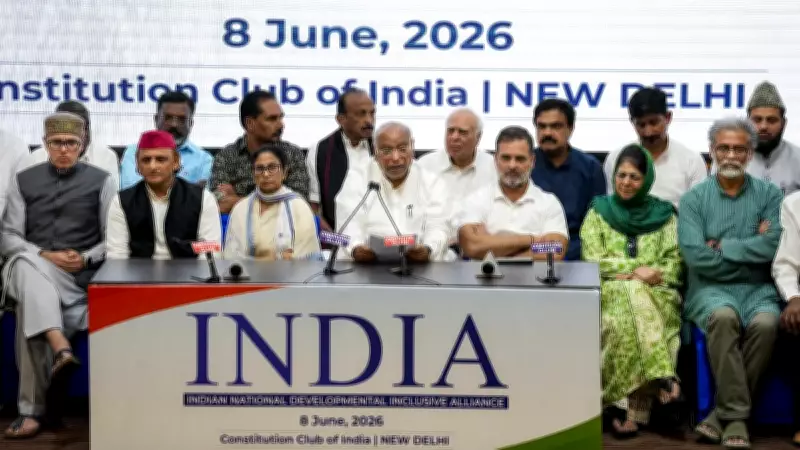
The landscape of Indian politics is witnessing a period of significant strain as coalition partners find themselves on increasingly shaky ground. Recent developments have underscored the fragility of alliances that are often formed out of necessity rather than ideological alignment. The Bharatiya Janata Party (BJP), leading the National Democratic Alliance (NDA), has encountered friction with some of its key allies, raising questions about the stability of the government.
Roots of Tension
Coalition politics in India has always been a complex web of negotiations, compromises, and power-sharing arrangements. However, the current tensions appear to stem from a combination of factors, including policy disagreements, seat-sharing disputes, and personal ambitions. Allies who once stood firmly with the BJP are now expressing discontent over issues ranging from agricultural reforms to the handling of the economy. The recent statements by leaders of allied parties indicate a growing impatience with the dominant role of the BJP in decision-making processes.
Impact on Governance
The instability within the coalition has direct implications for governance. With allies threatening to withdraw support or demanding greater concessions, the government's ability to push through key legislation is hampered. The passage of important bills, including those related to economic reforms and social welfare, may face delays as the ruling party navigates these internal challenges. Moreover, the opposition is quick to capitalize on any signs of discord, further complicating the political scenario.

Historical Context
India has a long history of coalition governments, many of which have been marked by similar tensions. The United Progressive Alliance (UPA) under the Congress party faced its own share of ally-related issues, often leading to policy paralysis. The current situation echoes those past experiences, reminding us that coalition dharma is often easier preached than practiced. The BJP, which once criticized the Congress for its alliance management, now finds itself in a similar predicament.
Way Forward
For the NDA to survive and function effectively, the BJP must adopt a more conciliatory approach towards its partners. Open communication, respect for differing viewpoints, and a willingness to share credit are essential for maintaining trust. Allies, on their part, need to balance their regional interests with national priorities to ensure cohesive governance. The coming months will be crucial in determining whether the coalition can withstand these pressures or if the country is headed for another phase of political realignment.
In conclusion, the shaky stage on which the allies stand is a reflection of the broader challenges inherent in coalition politics. As the BJP and its partners navigate these troubled waters, the nation watches closely, aware that the outcome will shape India's political future for years to come.