

Margaret Alva Alleges Political Motives Behind Women's Quota Bill Push
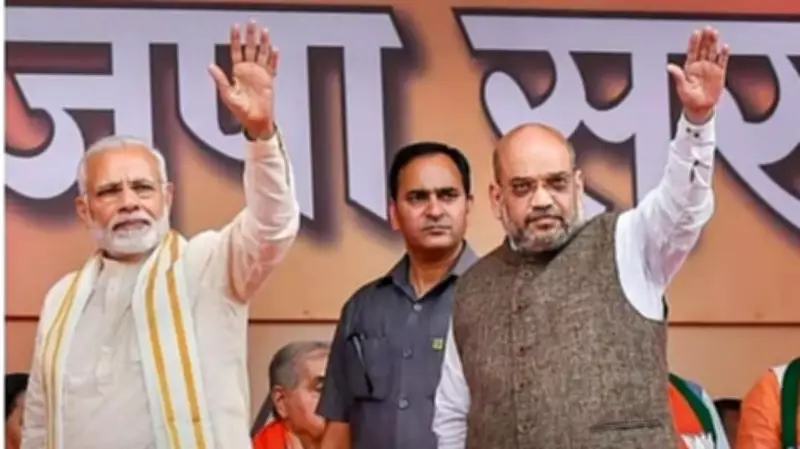
In a sharp critique of the ruling Bharatiya Janata Party (BJP), former governor and senior politician Margaret Alva has accused Prime Minister Narendra Modi and Home Minister Amit Shah of attempting to use the women's reservation bill as a tool to "arm-twist" the opposition. Alva's comments come in the wake of the bill's recent defeat in Parliament, which she described as a significant embarrassment for the government.
A Legislative Setback for the BJP Government
Alva did not mince words when assessing the outcome, labeling the failure to pass the bill as "a shame" on the Modi administration. She emphasized that this represents the first major legislative setback for the BJP since it came to power, highlighting a rare moment of political vulnerability for the typically dominant ruling party.
The women's quota bill, which aims to reserve one-third of seats in the Lok Sabha and state legislative assemblies for women, has been a long-pending and contentious issue in Indian politics. Alva suggested that the government's sudden push for it was less about genuine commitment to gender equality and more about strategic political maneuvering.

Alva's Analysis of Political Strategy
According to Alva, the timing and manner in which the bill was introduced were calculated to put opposition parties in a difficult position. By championing a popular cause like women's representation, the BJP hoped to force the opposition into a corner, where rejecting the bill would appear anti-women, while supporting it could concede political ground.
This tactic, she argued, was part of a broader pattern of political arm-twisting aimed at weakening rival parties and consolidating the BJP's hold on power. Alva's remarks underscore the deep political divisions and tactical games that often characterize legislative processes in India, especially on sensitive issues like reservation policies.
Broader Implications for Indian Politics
The defeat of the women's reservation bill has sparked widespread debate about the future of gender parity in Indian governance. Alva's criticism adds fuel to this discussion, raising questions about the sincerity of political promises and the real motivations behind legislative initiatives.
As the BJP grapples with this setback, observers are watching closely to see how it will impact the party's agenda and its relationship with opposition groups. The incident serves as a reminder that even the most powerful governments can face hurdles in pushing through controversial reforms, and that political strategies can sometimes backfire in unexpected ways.






