

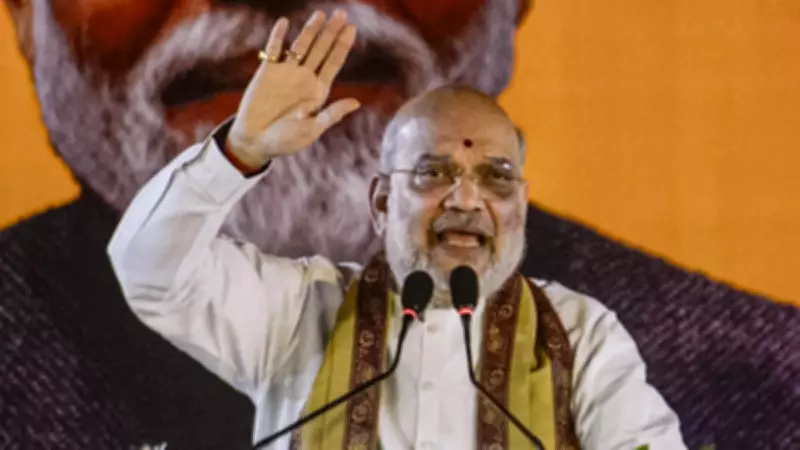
Union Home Minister Amit Shah has launched a scathing attack on the ruling Trinamool Congress (TMC) government in West Bengal, branding it as the most corrupt administration in the entire country. His remarks have ignited a fresh political firestorm, adding fuel to the ongoing tensions between the Bharatiya Janata Party (BJP) and the TMC in the eastern state.
Allegations of Widespread Corruption
During a recent public address, Shah did not mince words as he accused the TMC-led government of engaging in rampant corruption across various sectors. He highlighted several alleged instances of malpractices, including mismanagement of funds, nepotism, and a lack of transparency in governance. According to Shah, these issues have severely hampered the development and welfare of the people of West Bengal, undermining public trust in the state's leadership.
Political Context and Implications
This accusation comes at a critical juncture in Indian politics, with West Bengal being a key battleground state. The BJP has been actively working to expand its influence in the region, often clashing with the TMC, which has held power for over a decade. Shah's comments are seen as part of a broader strategy to discredit the TMC and position the BJP as a viable alternative for voters seeking change and integrity in governance.

The TMC government, led by Chief Minister Mamata Banerjee, has consistently denied such allegations, often countering by accusing the BJP of using central agencies to target political opponents. This exchange of barbs is expected to intensify as both parties gear up for future electoral contests, making corruption a central theme in their political narratives.
Reactions and Broader Impact
Shah's statement has elicited mixed reactions from various political quarters. Supporters of the BJP have echoed his concerns, calling for accountability and reforms in West Bengal's administration. On the other hand, TMC leaders have dismissed the allegations as baseless and politically motivated, asserting that their government has made significant strides in areas like healthcare, education, and infrastructure.
Beyond the immediate political fallout, this controversy raises important questions about governance standards and anti-corruption measures in India. It underscores the need for robust mechanisms to ensure transparency and accountability at all levels of government, regardless of political affiliations.
As the debate unfolds, citizens and observers are closely watching how these allegations will influence public opinion and policy discussions in West Bengal and beyond. The outcome could have lasting implications for the state's political landscape and India's broader fight against corruption.






