

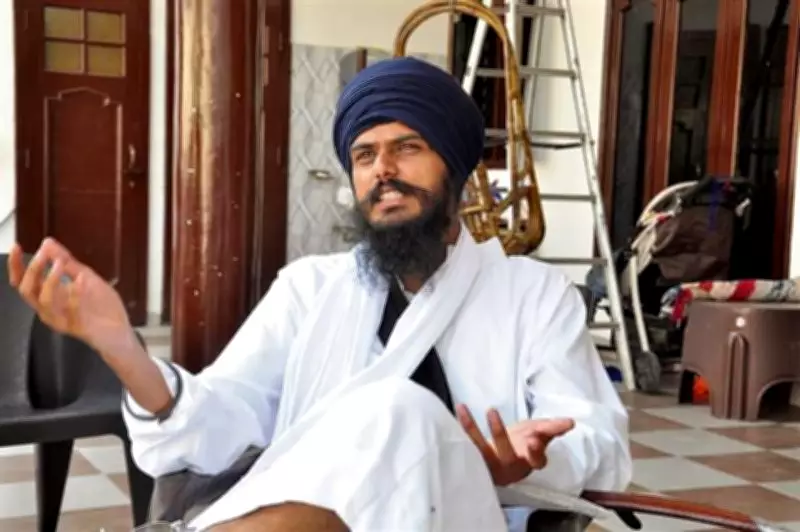
Khadoor Sahib MP Amritpal Singh Files Fresh Plea in Punjab High Court Over Parole Denial
In a significant legal development, Amritpal Singh, the Member of Parliament from Khadoor Sahib, has once again approached the Punjab High Court. He has filed a new petition challenging the denial of his parole request, with his legal team strongly emphasizing his status as an elected representative with a democratic mandate.
Legal Arguments Center on Democratic Representation
The core of Amritpal Singh's plea revolves around the argument that his election to Parliament by the people of Khadoor Sahib confers upon him a unique position that should be considered in parole decisions. His lawyers contend that denying parole to an elected MP undermines the democratic process and the rights of his constituents to have their representative accessible.
The petition asserts: "The denial of parole not only affects Amritpal Singh personally but also impedes his ability to fulfill his constitutional duties as a parliamentarian. This constitutes a violation of the democratic principles enshrined in our system."

Background and Previous Legal Proceedings
This is not the first time Amritpal Singh has sought judicial intervention regarding parole. Earlier attempts were reportedly rejected by authorities, leading to this renewed effort in the High Court. The case has drawn attention due to its political implications, as it intersects legal issues with the functioning of democratic institutions.
Key points from the petition include:
- Democratic Mandate: Highlighting that Singh was elected with a significant public mandate, which should factor into parole considerations.
- Parliamentary Duties: Arguing that parole is necessary for him to participate in parliamentary sessions and serve his constituency effectively.
- Legal Precedents: Citing previous cases where elected representatives were granted parole for similar reasons.
Political and Public Reactions
The move has sparked discussions in political circles, with supporters viewing it as a fight for democratic rights, while critics question the timing and motives. Public interest remains high, as the outcome could set a precedent for how parole is handled for elected officials in similar situations.
Observers note: This case underscores the delicate balance between legal restrictions and political representation, raising broader questions about the rights of MPs under Indian law.
Next Steps and Potential Implications
The Punjab High Court is expected to hear the plea soon, with legal experts predicting a thorough examination of the arguments. If granted, parole could allow Amritpal Singh to resume some parliamentary activities, though conditions may apply.
Potential implications of the court's decision include:
- Legal Precedent: Influencing future parole cases involving elected representatives.
- Political Dynamics: Affecting the political landscape in Punjab and beyond.
- Public Perception: Shaping how citizens view the intersection of law and democracy.
As the case progresses, it will be closely watched by legal scholars, politicians, and the public alike, given its potential to redefine norms around parole and democratic representation in India.






