Unreleased ARAI Report Sparks Safety Debate on E20 Fuel
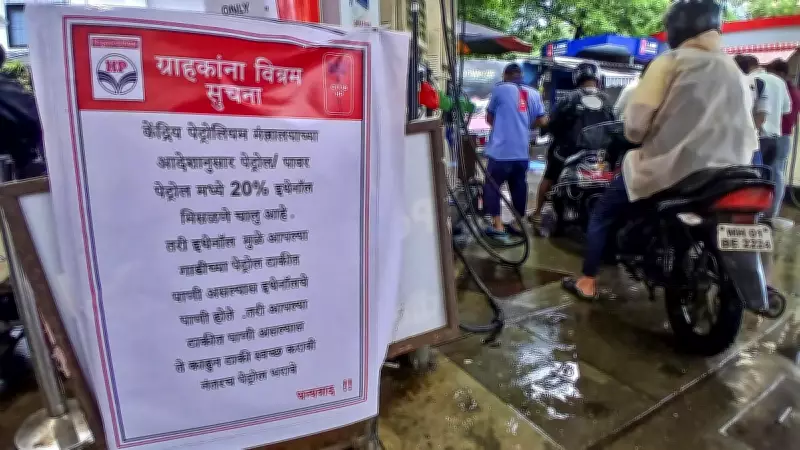
An internal report by the Automotive Research Association of India (ARAI) on E20 fuel—a blend of 20% ethanol with petrol—has raised significant questions about vehicle safety, particularly for cars manufactured before April 2023. The report, which has not been made public but was reportedly used by the Centre and automobile manufacturers while planning the E20 rollout, has reignited concerns over whether consumers were adequately informed about the long-term implications of the transition.
Key Findings and Safety Concerns
According to sources, the ARAI report highlights potential material compatibility issues in older vehicles, including corrosion of fuel system components such as rubber hoses, gaskets, and seals when exposed to higher ethanol concentrations. Ethanol is hygroscopic and can absorb moisture, leading to phase separation and engine damage. The report also notes that engines not designed for E20 may experience reduced efficiency and increased emissions. While vehicles manufactured after April 2023 are required to be E20-compliant, the report suggests that many older models may face accelerated wear and safety risks.
Consumer Awareness and Regulatory Gaps
Consumer advocacy groups argue that the lack of public disclosure of the ARAI report has left millions of vehicle owners uninformed. "The government and automakers have not provided clear guidance on the risks for pre-2023 vehicles," said a spokesperson for the Consumer Rights Protection Forum. "Many drivers are unaware that using E20 could void warranties or lead to costly repairs." The report recommends that owners of older vehicles consult manufacturers for retrofitting options, but no mandatory recall or upgrade program has been announced.

Government and Industry Response
The Ministry of Petroleum and Natural Gas has defended the E20 rollout, stating that it is essential for reducing oil imports and curbing emissions. An official said, "The ARAI report is a technical document, and its recommendations have been incorporated into the phased implementation plan. Automakers are responsible for informing customers." However, critics point out that only 30% of vehicles on Indian roads are E20-compliant, according to industry estimates, leaving a vast majority potentially at risk.
Impact on Vehicle Performance and Safety
Beyond material compatibility, the report raises concerns about cold-start performance and fuel economy. Ethanol has a lower energy density than gasoline, meaning vehicles may experience a 3-5% reduction in mileage. More critically, in cold climates, E20 can cause starting difficulties and engine stalling. The report also warns of increased evaporative emissions, which could worsen air quality despite the intended environmental benefits.
Call for Transparency and Action
Experts and consumer groups are urging the government to release the full ARAI report and launch a public awareness campaign. "Without transparency, the transition to E20 could erode trust and lead to safety incidents," said an automotive safety analyst. Meanwhile, some automakers have begun offering retrofitting kits for select models, but costs range from ₹5,000 to ₹15,000, which many owners may find prohibitive. As India pushes ahead with its ethanol blending roadmap, the ARAI report underscores the need for a carefully managed transition that prioritizes consumer safety.