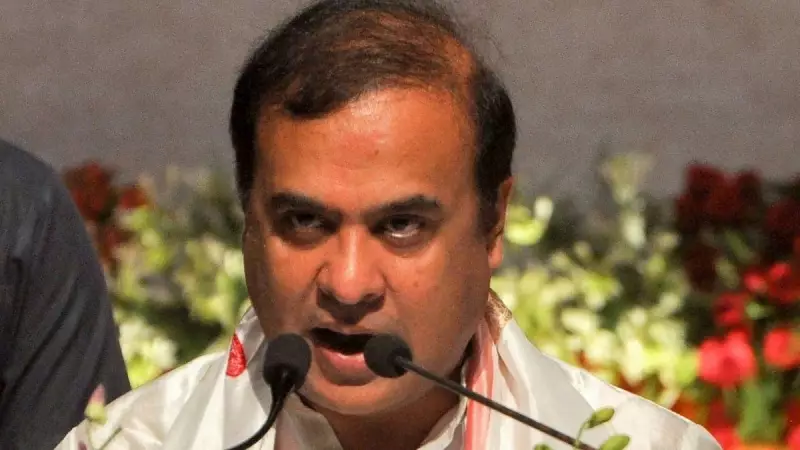
Assam Chief Minister Makes Explosive Allegations Against Meghalaya University
In a startling revelation that has sent shockwaves through the Northeast, Assam Chief Minister Himanta Biswa Sarma has leveled serious accusations against the University of Science and Technology, Meghalaya (USTM). The senior BJP leader has claimed that the educational institution was established using financial resources originating from an organisation with direct links to the notorious terrorist network Al Qaeda.
Previous Allegations of 'Flood Jihad' Resurface
This is not the first time CM Sarma has targeted USTM and its leadership. Earlier, he had publicly held the university and its chancellor, Mahbabul Hoque, responsible for what he described as 'flood jihad' against Guwahati. The term refers to alleged deliberate actions aimed at exacerbating flooding in Assam's capital city through questionable environmental practices or infrastructure decisions.
Call for Public Boycott of the Institution
In his latest remarks, the Assam Chief Minister made an impassioned appeal to the people of his state. He specifically urged citizens to refrain from supporting the institution and its proprietor in any capacity. This represents a significant escalation in the ongoing controversy surrounding the Meghalaya-based university.

The allegations come at a time when educational institutions across India are under increased scrutiny regarding their funding sources and affiliations. CM Sarma's statements have raised serious questions about:
- The verification processes for educational institution funding
- Security implications of foreign or questionable financial support
- The intersection between education and national security concerns
- Inter-state relations in matters of institutional oversight
Broader Implications for Northeast Education Sector
These explosive claims could have far-reaching consequences for the educational landscape in Northeast India. The University of Science and Technology, Meghalaya has been operating for several years and has attracted students from across the region. The serious nature of the allegations - connecting an educational institution to terrorist financing - represents an unprecedented development in the region's academic sphere.
As the controversy unfolds, several key questions remain unanswered:
- What specific evidence supports the funding allegations?
- How will USTM and Chancellor Mahbabul Hoque respond to these claims?
- What actions might state or central authorities take following these revelations?
- How will current and prospective students be affected by these developments?
The timing of these allegations is particularly significant, coming amid heightened security awareness and increased scrutiny of institutional funding sources across India. The response from USTM administration, Meghalaya state authorities, and central investigating agencies will be closely watched in the coming days.