

Assam's Final Electoral Roll Shows Significant Voter Decline Across Majority of Districts
The recently published final electoral roll for Assam reveals substantial changes in the state's voter demographics, with 25 out of 35 districts experiencing a decline in their electorate compared to the draft roll. This comprehensive data, released on Tuesday, provides crucial insights into the evolving political landscape of the northeastern state ahead of upcoming elections.
District-Wise Analysis Reveals Substantial Deletions
Cachar district witnessed the most significant reduction in absolute numbers, with a staggering 33,536 electors removed from the draft list. However, Karimganj district recorded the highest percentage decline at 3.2%, indicating a more substantial proportional impact on its voter base. Other districts experiencing notable reductions include Udalgiri and Darrang, both with 2.7% of electors struck off, while Lakhimpur, Cachar, and Kamrup Metro districts each saw approximately 2.4% deletions.
Not all districts experienced declines though. Among the ten districts where elector numbers increased, Barpeta district stood out with both the highest absolute additions (28,625) and the highest percentage increase at 3%. This growth pattern suggests shifting population dynamics and migration trends within different regions of Assam.

Current Electorate Distribution and Gender Dynamics
Nagaon district now boasts the highest total number of electors at 15.5 lakh, followed closely by Cachar district with 13.8 lakh voters. At the opposite end of the spectrum, the tribal-dominated Dima Hasao district has the smallest electorate with less than 1.6 lakh electors, while West Karbi Anglong follows with 2.3 lakh voters.
A particularly significant finding emerges in gender distribution. Female electors outnumber their male counterparts across 86 of Assam's total 126 assembly constituencies, despite the overall state electorate sex ratio standing at exactly 1000 female voters per 1000 male voters. This imbalance suggests women could play a decisive role in determining the next government in Assam.
Constituency-Level Gender Variations
Doom Dooma assembly constituency in Tinsukia district leads with the most favorable sex ratio for women at 1118, followed by Jalukbari constituency in Kamrup Metro district at 1113 and Makum constituency in Tinsukia at 1100. These constituencies demonstrate particularly strong female voter representation that could significantly influence electoral outcomes.
However, not all constituencies show such favorable ratios for women. Algapur-Katlicherra constituency in Hailakandi district records the most skewed sex ratio against women at just 910, followed by Chenga constituency in Barpeta district at 918. These disparities highlight regional variations in gender representation within the electoral system.
Overall State Electorate and Revision Process
The final electoral roll places Assam's total electorate at approximately 2.5 crore following the deletion of 0.97% of electors included in the draft list. Despite these reductions, the final count remains higher than the state's 2.4 crore electorate recorded during the 2024 general elections, indicating overall growth in the voting population over time.
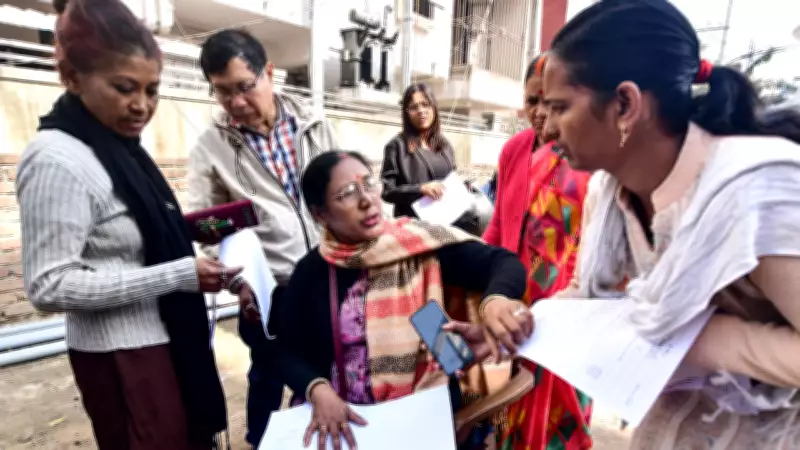
The revision process in Assam differed from other poll-bound regions. Unlike the special intensive revision exercises conducted in Kerala, Tamil Nadu, West Bengal, and Puducherry, Assam's summary revision did not involve filling enumeration forms or establishing links with electoral rolls from previous intensive revisions. However, the Assam process did include comprehensive house-to-house verification of electors, ensuring greater accuracy in the final voter database.
This detailed electoral data provides political parties, analysts, and citizens with crucial information about voter distribution, demographic shifts, and gender representation as Assam prepares for future elections. The significant female voter advantage in numerous constituencies suggests women's issues and perspectives may receive increased attention during upcoming political campaigns.






