

Assembly Elections 2026: High-Stakes Political Battles Unfold
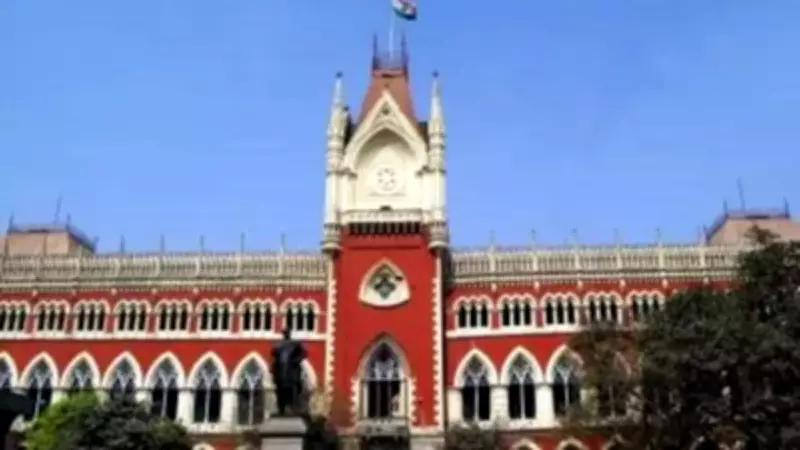
The ongoing Assembly Elections of 2026 are witnessing a surge in political activity and strategic maneuvering across key states, with West Bengal and Tamil Nadu at the forefront of intense electoral contests. The Election Commission has taken a significant legal step by deciding to challenge a Calcutta High Court order before a division bench, adding to the drama of this crucial election cycle.
West Bengal: Voter Expansion and Intensified Rivalry
In West Bengal, the Election Commission has bolstered the electorate by adding nearly seven lakh new voters, expanding the total to over 6.82 crore. This move reflects a notable increase in voter participation, although the absence of detailed demographic data, such as age and gender breakdowns, has drawn scrutiny from observers. The political landscape remains fiercely competitive, particularly in constituencies like Tollygunj, where long-time TMC leader Aroop Biswas faces a more formidable challenge compared to previous elections.
Campaign rhetoric has escalated sharply, with BJP leaders emphasizing governance and law-and-order issues, while the TMC strives to maintain its stronghold established in the 2021 elections. Controversies, including voter roll revisions and a more unified opposition, have further heightened the stakes. Notably, former Bengal BJP chief Dilip Ghosh has warned of using bulldozers to evict encroachers if his party wins, mirroring tactics employed in Uttar Pradesh.

Tamil Nadu: Final Phase Campaign and Ideological Clashes
In Tamil Nadu, the campaign has entered its final and most aggressive phase ahead of the single-phase polling scheduled for April 23. The primary contest is between the DMK-led alliance and the AIADMK-BJP combine. Congress MP Rahul Gandhi has framed the election as a broader ideological struggle, alleging that the BJP aims to dominate Tamil Nadu politics through its alliance with AIADMK. Conversely, AIADMK leaders express confidence in electoral gains, citing public dissatisfaction with the ruling DMK government.
A major flashpoint emerged with Prime Minister Narendra Modi's address to the nation, which opposition parties have criticized as politically motivated. Leaders across parties alleged that the speech violated democratic norms and should be treated as campaign expenditure under the Model Code of Conduct, sparking further controversy.
Key Developments and Legal Challenges
The Election Commission's decision to challenge the Calcutta High Court order, which set aside the appointment of government college teachers as presiding officers during the Bengal assembly polls on April 23 and 29, underscores the legal complexities of this election. Meanwhile, Bengal Chief Minister Mamata Banerjee has challenged the BJP after Income Tax raids, alleging selective targeting of TMC activists and questioning the impartiality of election officials.
Overall, the elections in West Bengal and Tamil Nadu are shaping into a crucial political test, characterized by high voter turnout, strong narratives, and sharp political exchanges. With results expected on May 4, these contests are poised to significantly influence the regional and national political landscape, making every development a critical piece of the electoral puzzle.






