

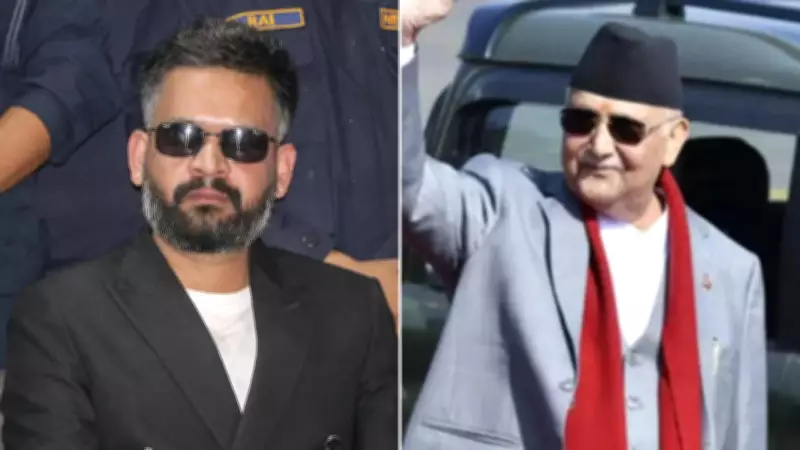
Nepal's Political Landscape Transformed as Youth Leader Balen Shah Claims Historic Victory
In a dramatic upheaval of Nepal's political establishment, newly elected youth leader Balendra "Balen" Shah has unseated veteran politician and former Prime Minister KP Sharma Oli from his parliamentary stronghold. This seismic shift marks a pivotal moment in the nation's history, as Shah, a structural engineer by profession who first rose to prominence as the mayor of Kathmandu, now becomes the youngest person ever to claim Nepal's Prime Ministership, just four years after his initial foray into politics.
Landslide Win in Jhapa-5 Constituency
Contesting from the Jhapa-5 constituency, the former rapper and capital city mayor defeated his long-time rival Oli by a resounding margin, as officially announced by the Election Commission of Nepal. Shah, a senior leader of the Rastriya Swatantra Party (RSP), secured an overwhelming 68,348 votes—nearly four times more than the 18,734 votes garnered by the 74-year-old Marxist leader. This first-time parliamentary lawmaker celebrated his victory on Saturday evening, touring the streets of his constituency in a car amid jubilant supporters.
Wearing his trademark dark sunglasses, Shah waved from the sunroof as throngs of cheering crowds lined the roads, chanting "Balen"—a name that has come to symbolize youth-driven political change in Nepal. Although he chose not to make a speech, his record-breaking win against the four-time prime minister spoke volumes about the public's desire for transformation.

RSP's Sweeping Success and Government Formation
According to the Election Commission, the Rastriya Swatantra Party—formed only four years ago—has won 59 seats under the First-Past-the-Post (FPTP) system and is currently leading in 62 other constituencies. With the combined tally of direct and proportional seats expected to surpass the 138-seat threshold needed for a majority in the 275-member House of Representatives, the RSP is firmly on course to form the next government.
Party leaders have consistently assured the public that there are no internal disputes over leadership. RSP vice-chairperson DP Aryal credited the party's sweeping success to the appeal of its top figures, particularly Rabi Lamichhane and Balen Shah, confirming that Shah will lead the new government. "The government formation process is expected to begin shortly, with swearing-in ceremonies for the new MPs," a senior election official stated.
Peaceful Transition and Public Mandate
Outgoing Prime Minister Sushila Karki has expressed her readiness to hand over authority once the final mandate is validated, emphasizing a respectful and peaceful transition. Within the RSP, leaders have reiterated their commitment to transparency, accountability, and alignment with citizens' expectations. They have vowed that Shah's premiership will remain "a reflection of both party consensus and public will."
Consequential Election Amid Political Unrest
Thursday's election marked one of the most consequential polls in recent Nepali history. It came just six months after deadly anti-government protests toppled Oli's administration—protests that left at least 77 people dead and deeply unsettled the nation's political order. Political analyst Chandra Dev Bhatta commented, "This is heading to a landslide victory—this reflects the frustration that has been building up. It is actually the people's revolt against the established political parties."
He added, "The people understand that the new do not really have strong agendas, but it is a punishment to the parties for their decades-long poor governance." This sentiment underscores the widespread disillusionment with traditional politics and the hunger for fresh leadership embodied by Shah's rise.






