

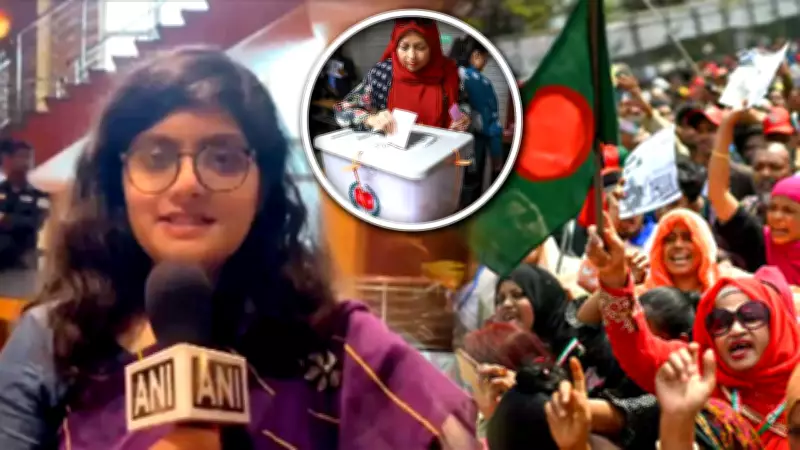
Bangladesh Election 2026 Exposes Critical Gender Gap in Political Nominations
The recently concluded Bangladesh General Election Results for 2026 have ignited a significant controversy regarding the persistent underrepresentation of women in the country's electoral politics. Despite active grassroots involvement, female politicians continue to face substantial barriers in securing party nominations, a situation that activists describe as systemic exclusion.
Nafisa Raihana Highlights Systemic Gatekeeping in Political Parties
Nafisa Raihana, a prominent advocate associated with the Forum for Women’s Political Rights and Aarshi Trust, has brought this issue to the forefront. She emphasized that numerous women politicians remain deeply engaged at the community level, yet they are systematically shut out from obtaining official party nominations. According to Raihana, this pattern reflects a broader issue of gatekeeping within political structures.
"Many women are actively working at the grassroots, but they are blocked from securing nominations," Raihana stated. "This is not a matter of capability but of deliberate exclusion by party leaderships."

Alarming Statistics: Women Account for Only 4% of Nominations
The data from the 2026 elections reveals a stark reality. Women accounted for a mere 4% of total party nominations, which falls significantly short of the mandatory 5% requirement that was outlined in the July tender. This shortfall is not just a numerical discrepancy but indicates a failure to meet legally mandated gender representation targets.
Raihana described this situation as a clear example of systemic gatekeeping, where political parties paradoxically cite a lack of women's participation while simultaneously restricting their access to senior leadership and decision-making roles. This creates a vicious cycle that perpetuates gender inequality in Bangladesh's political landscape.
The Broader Implications for Bangladesh's Political Future
The underrepresentation of women in political nominations has far-reaching consequences. It limits diverse perspectives in governance and undermines democratic principles of inclusion. Activists argue that without addressing these systemic barriers, progress toward gender equality in politics will remain stagnant.
Key points from the debate include:
- Women's nominations fell below the mandatory 5% threshold, highlighting compliance issues.
- Grassroots activism by women is not translating into formal political opportunities.
- Party leaderships are criticized for maintaining gatekeeping practices that exclude women.
- There is a pressing need for structural reforms to ensure equitable participation.
As Bangladesh moves forward, the call for greater gender representation in politics grows louder. The 2026 election results serve as a critical reminder that achieving true political equality requires dismantling the barriers that keep women from securing nominations and ascending to leadership positions.






